Do not let the name decide everything
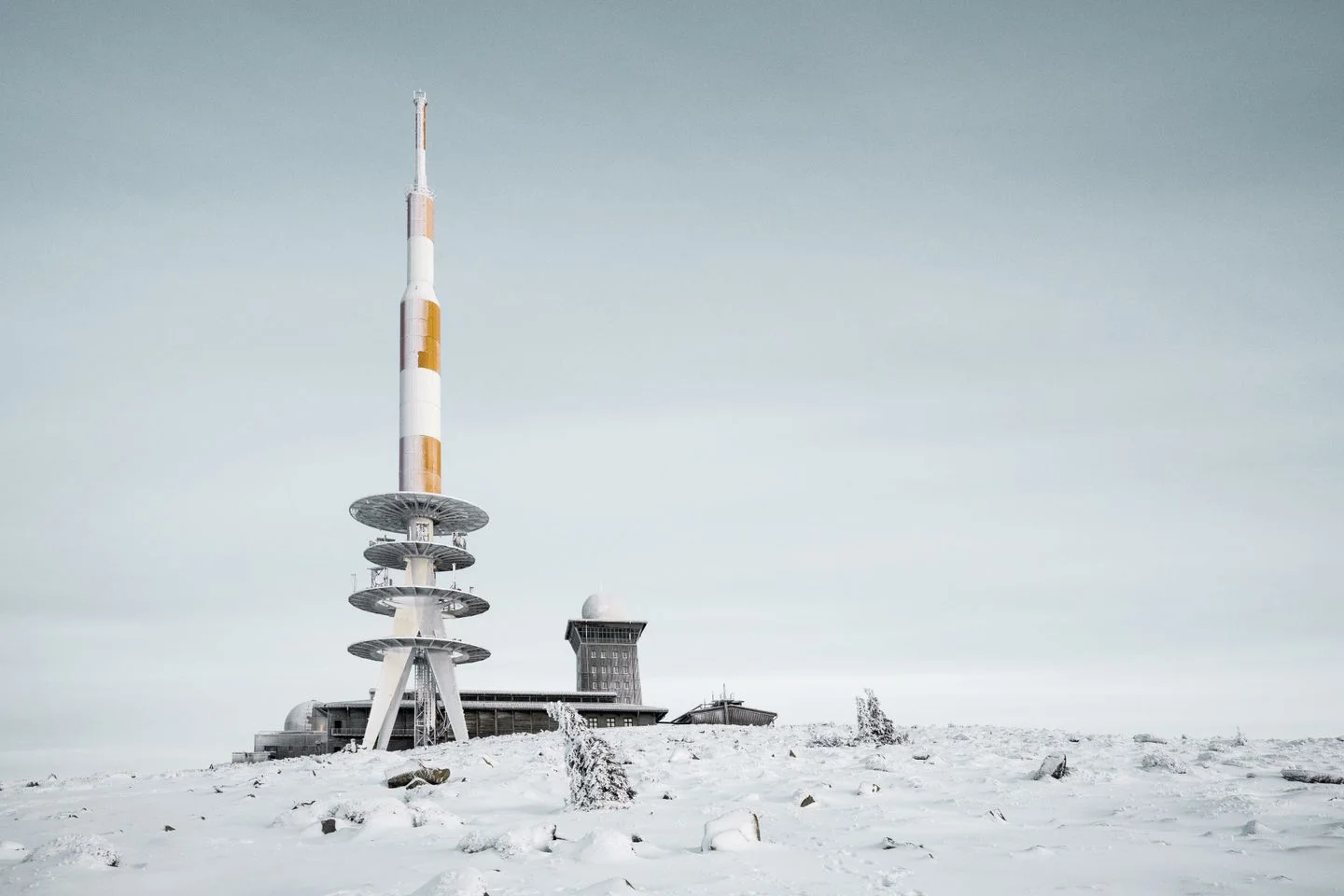
Brocken is a recognised Harz destination, but its name can create more obligation than a particular outing can support. Clarify whether the interest is a railway journey, landscape, or a specific walk. Those aims require different preparation and do not automatically form one programme.
The national park describes Brocken's climate in terms of wind, rain, mist, and sudden changes. Valley conditions are therefore no substitute for current information about the mountain. A clear morning at the accommodation does not promise uninterrupted visibility during the visit.
Treat a railway journey as its own plan
For the Brockenbahn, consult current Harzer Schmalspurbahnen schedules and notices. The operator publishes seasonal timetables and service changes. Use the one applicable to the actual date rather than the first table returned by an image search.
Connect arrival at the starting station, train journey, visit, and return. Leaving a car in one place while assuming a return to another introduces another task. A familiar station name is not automatically the right boarding point for every ticket.
A booked journey does not determine how long you must stay outside. Establish which return suits the plan and the ticket conditions. Do not rely on the idea of returning on any train at any convenient time.
Combining walking with a train requires a separately assessed walking itinerary. Railway access does not make every descent suitable. This is a decision about the day's framework rather than a blanket recommendation for an ascent.
Check what happens if operating arrangements change. Understanding the provider's current information before departure is more useful than relying on a vague expectation that a famous tourist service always follows the same pattern.
Connect equipment with the intended activity
Compare current guidance with how you will spend time. Sitting on a train and then standing on an exposed height differs from walking continuously. Choose clothing accordingly without treating a forecast as a guarantee.
National-park guidance also distinguishes winter conditions. A surfaced path is not equally straightforward in every circumstance. Examine information relevant to your actual mobility instead of calling a route suitable for everyone because it looks level in a picture.
Discuss limits calmly: how long both want to remain outside in wind, what would justify shortening the visit, and which return is planned. This reduces pressure when conditions change.
Understand what remains without the panorama
Mist need not automatically mean failure. If the railway itself is of interest or an open indoor attraction suits you, the stay may gain another focus. Verify the availability of that particular attraction separately.
Postponing or choosing another Harz activity is equally legitimate. Anticipation already invested does not justify continuing with an unsuitable undertaking. Decide together using current information.
Avoid collecting unresearched alternative paths. Changing plans on the mountain should not produce a new walk whose demands nobody knows. A simpler, understood return is easier to manage than an improvised route.
Remember more than a summit result
A shared day can be defined by the journey, atmosphere, and a good joint decision. The highest point reached is an incomplete measure.
Retain useful details afterwards: the starting place that worked, clothing appropriate for sitting, and actual time needed for departure. These help a later visit more than a single note saying summit achieved or not achieved.
Sources & current information
Opening hours, connections and conditions can change. Consult official sources before travelling and follow local notices.