Getting around
Arriving by rail: plan the last leg from station to accommodation
Arrival by rail is complete only when the route from platform to the correct accommodation entrance is clear.
Trains, connections and the journeys at your destination.
Arrival by rail is complete only when the route from platform to the correct accommodation entrance is clear.
Two train tickets do not establish adjacent seats; check the reservation separately from the fare.
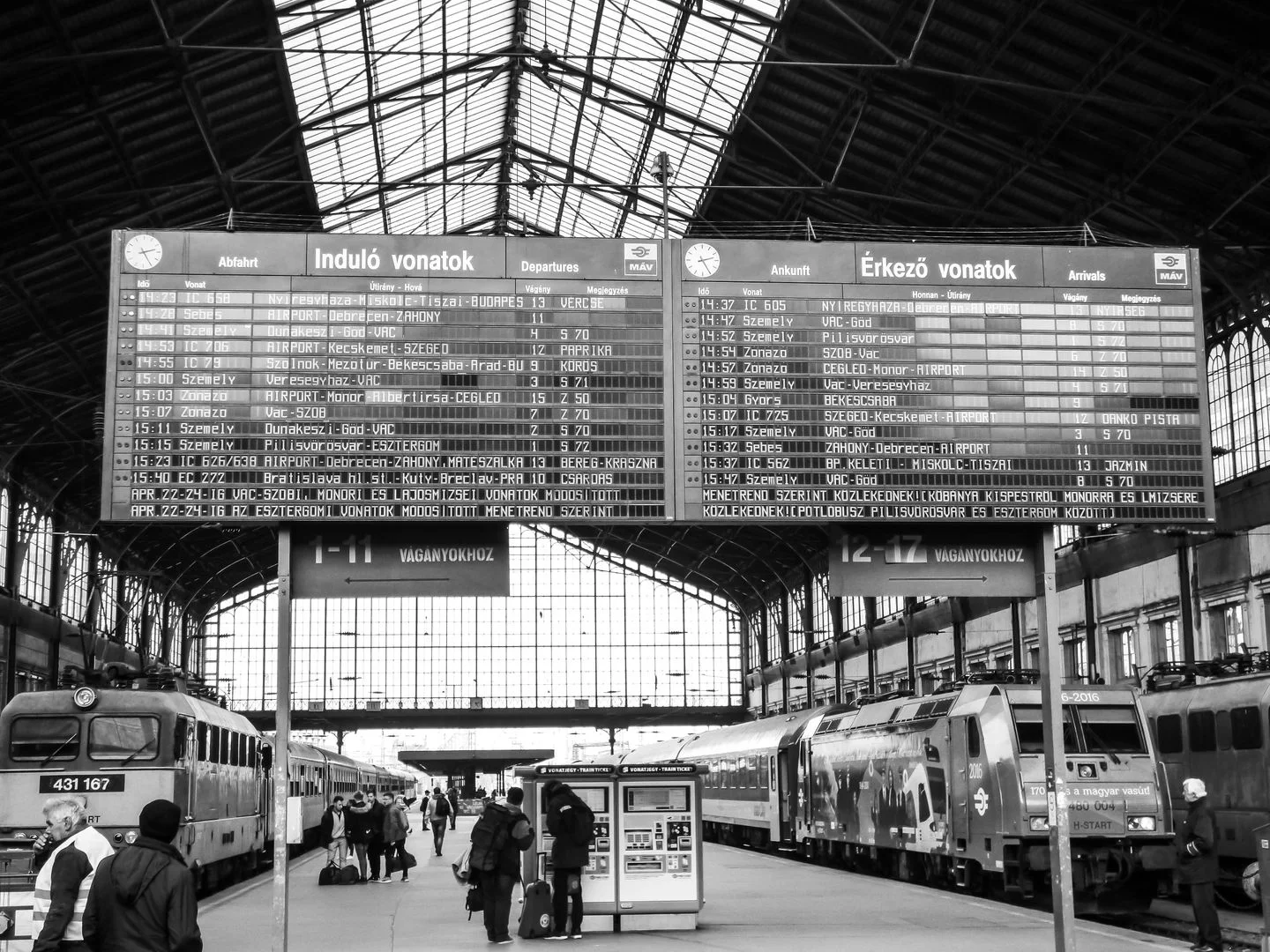
For an international change, station and time matter alongside whether the booking is a through-ticket or separate contracts.
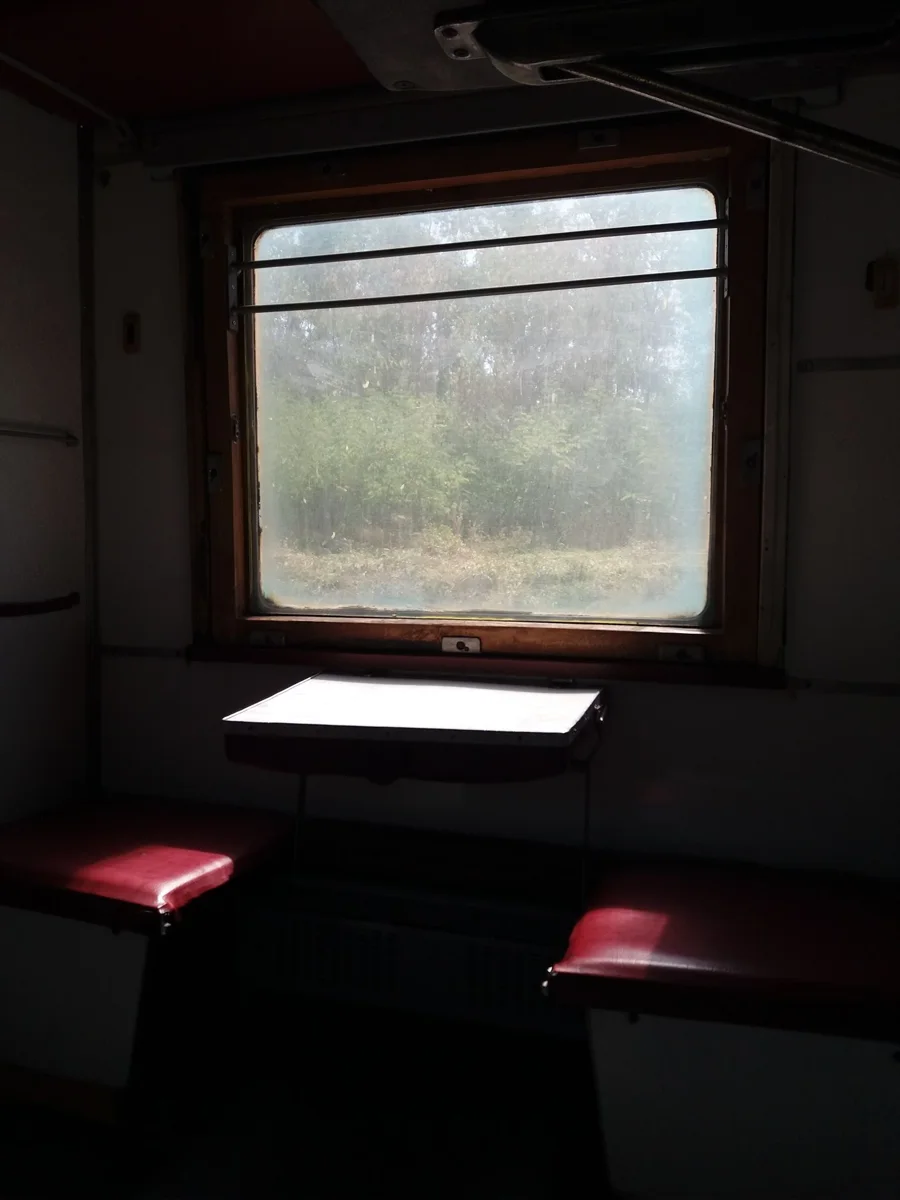
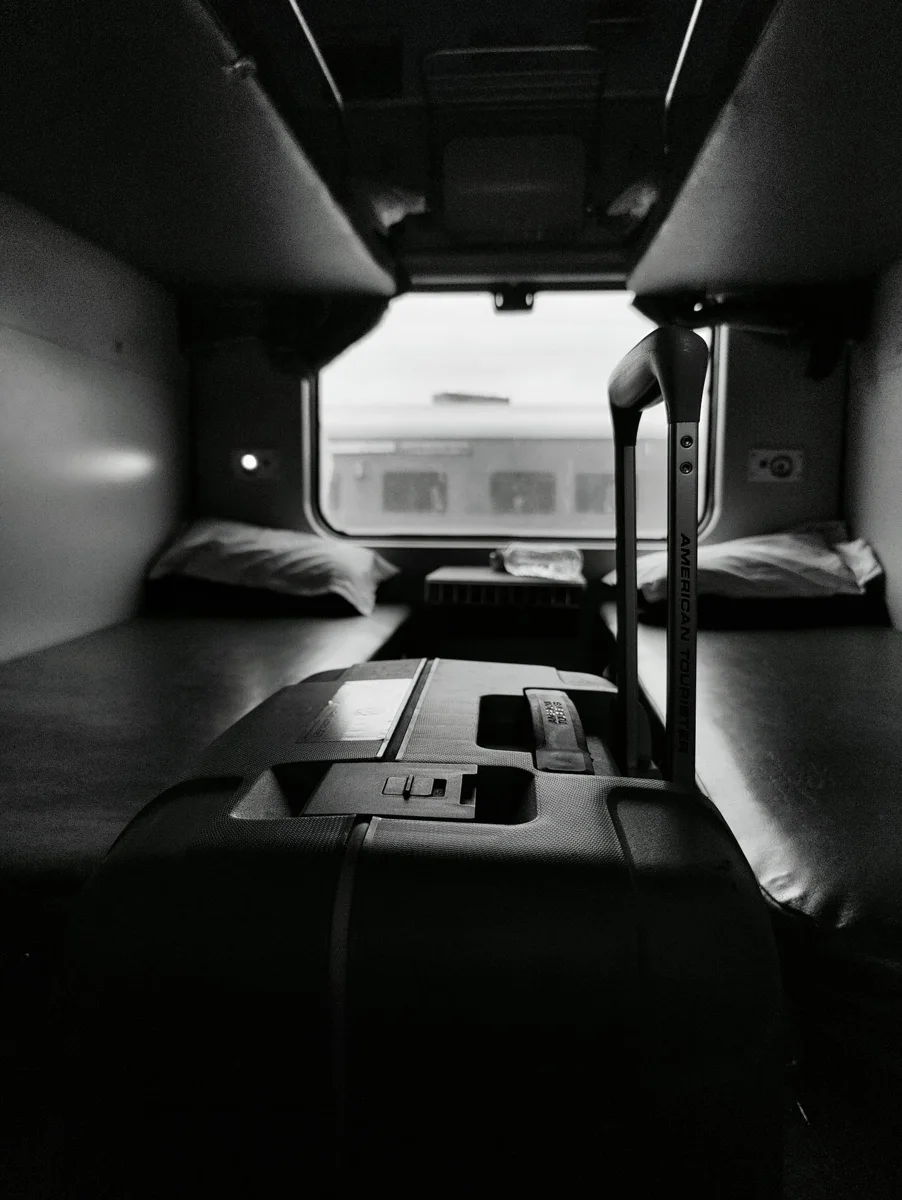
For two travellers, sleeping position, privacy, and the actual carriage matter more than the shared label night train.
An early night train reaches the city, not automatically an available room or an open breakfast table.
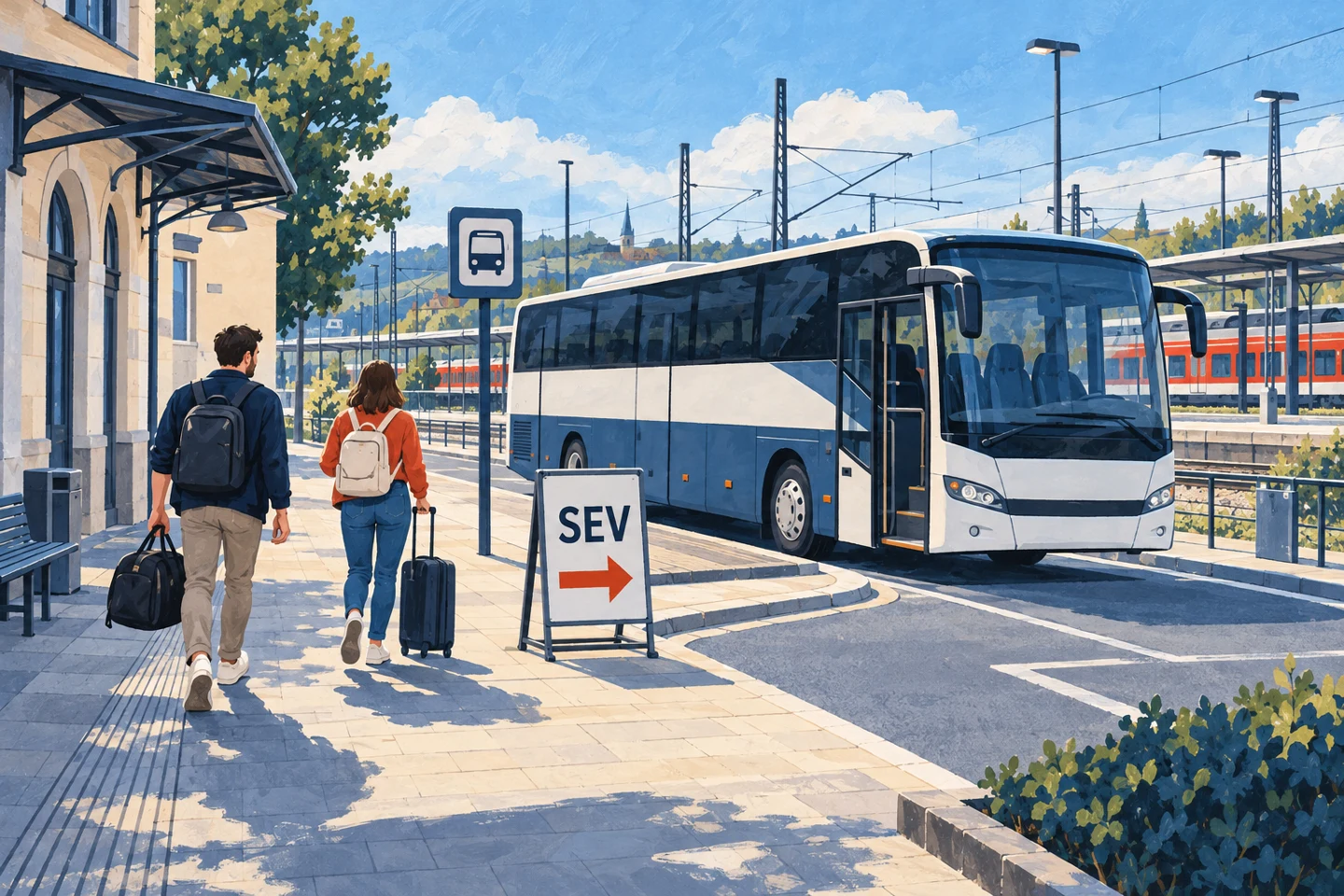
A replacement bus changes the stop, luggage process, and onward connection, even when displayed within the same railway itinerary.
A faster train is not automatically the faster complete journey, and a regional ticket is not automatically valid on long-distance services.
Interrail needs three separate checks: a valid pass, the correct travel day, and any required reservation.
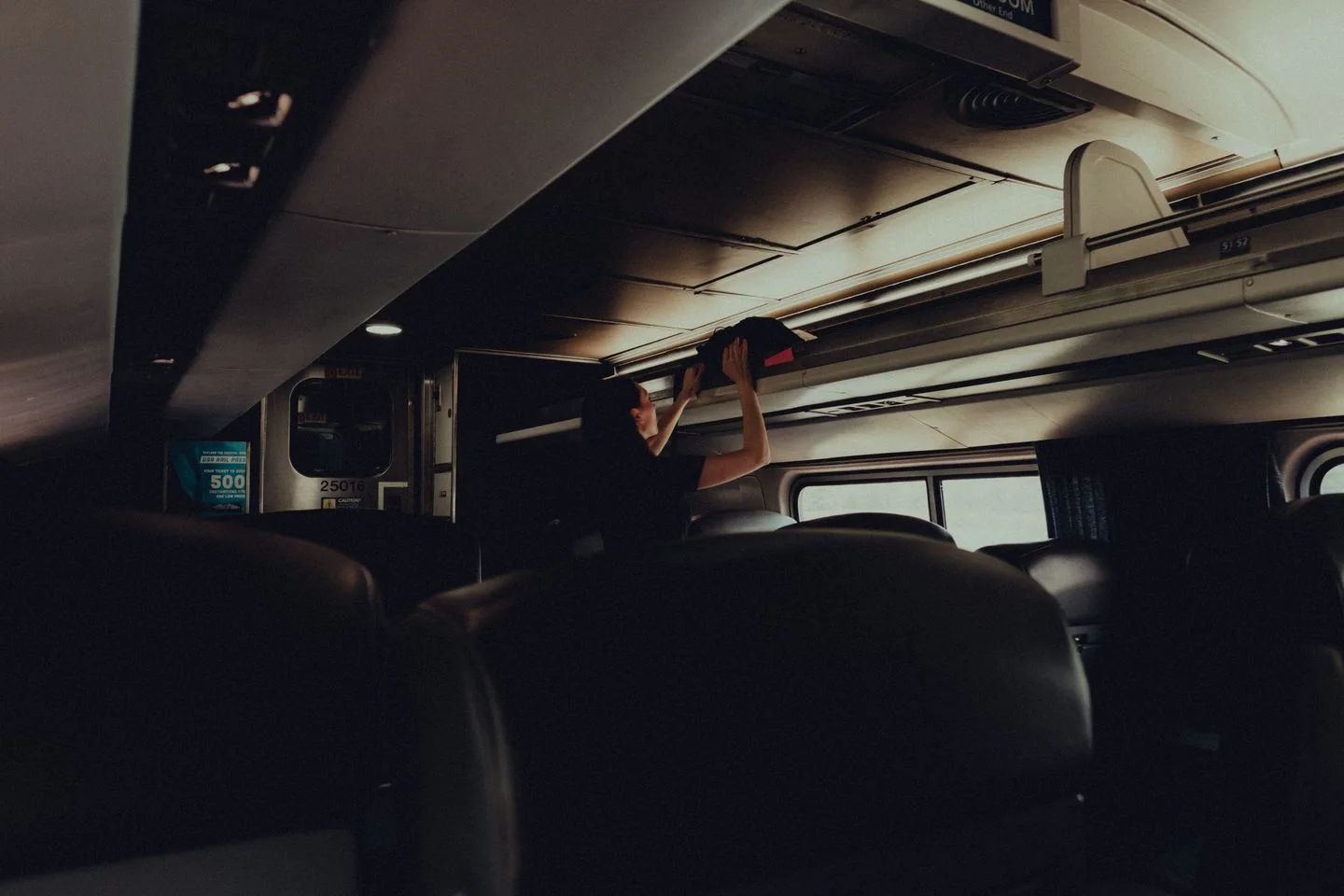
A shared luggage plan must work inside the carriage: storage, aisles, and alighting matter more than adjacent seat numbers.
After cancellation, establish permitted onward travel first; evidence and reimbursement form a separate, traceable process.
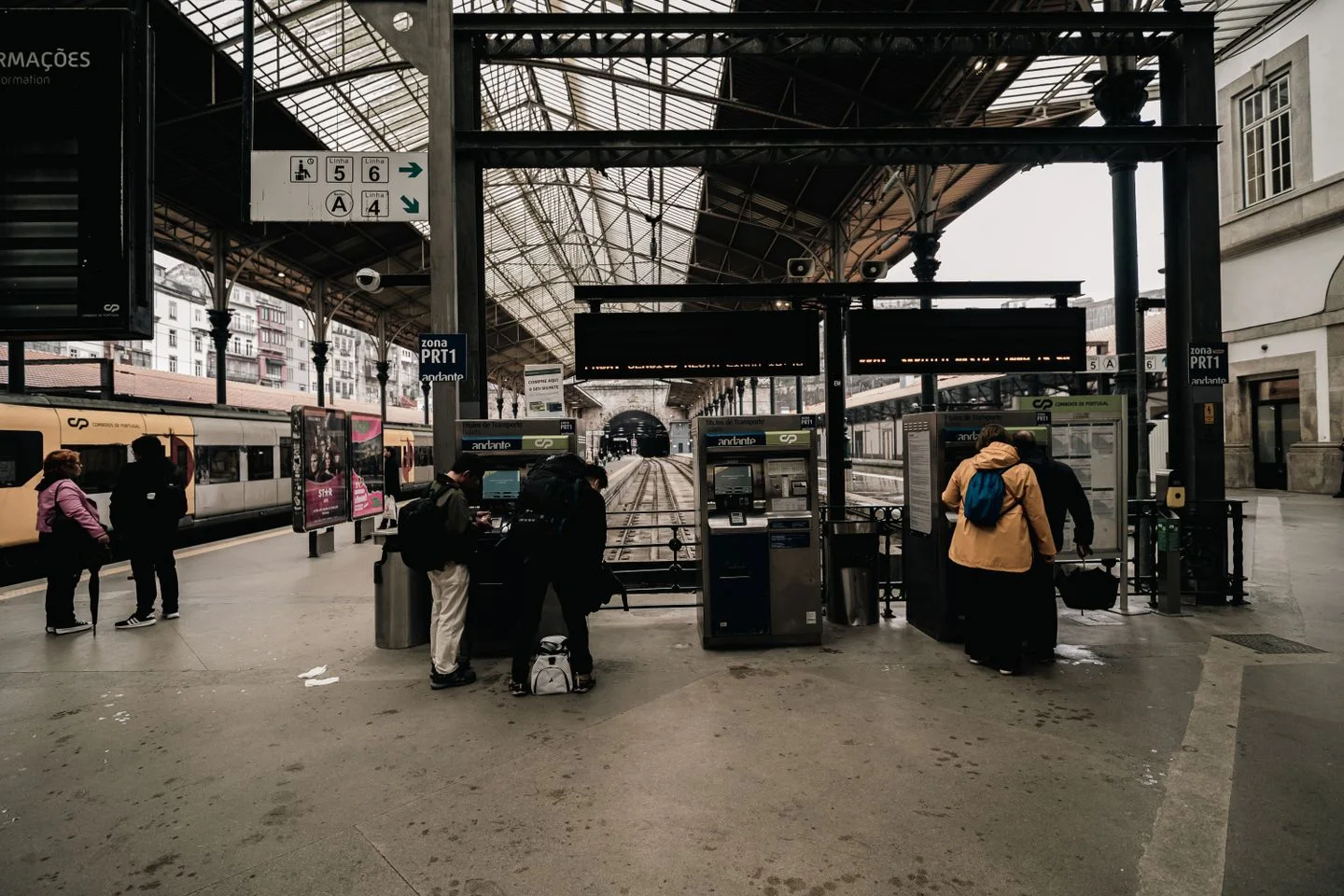
For regional day tickets, both names, the actual transport area, and the first and last legs must fit.
Compare a city pass with actual journeys and validity, rather than the greatest theoretical number of rides.