Place the break within the day
Decide whether the picnic is the outing itself or a pause between two visits. In the first case, the setting can determine the trip. In the second, keep it near the route you will actually follow. A lovely waterfront on the far side of town can otherwise turn a simple lunch into an additional excursion.
Consider when food will be bought and how long you will carry it afterwards. Choose food and packaging around the stated storage requirements and your transport arrangements. If chilling is required, plan for it; a blanket in the shade does not replace necessary refrigeration.
For two different daily rhythms, a window can work better than an exact time. Agree, for example, to eat together before the next substantial indoor visit. That gives the break a clear place without interrupting an enjoyable walk merely because an arbitrary minute has arrived.
Consider seating, access and rules together
A green area on a map does not establish permission to sit there or ease of access. Check designated stopping areas, paths and notices from the local authority or site manager. Harz National Park, for example, requires visitors to remain on designated paths; an apparently unused patch beyond the path is not an invitation to spread a blanket.
Discuss whether both people want to sit on the ground. A bench or picnic table may be more suitable even with a less expansive view. Expect a single seat to be occupied sometimes. Another permitted stopping area nearby is more useful than assuming other visitors will accommodate your plan.
Wind can make open packaging, light napkins and pouring drinks awkward. Judge the place under that day’s conditions. A sheltered, permitted area may suit you better than an exposed shore. A photograph made in different weather cannot settle that choice.
Include packing up
Unpack only as elaborately as the remaining time allows. Before a fixed departure, a box that closes quickly is easier to manage than numerous small open containers. Keep tickets and phones away from drinks so leaving does not begin with an avoidable search or drying exercise.
Take packaging and food scraps away when no appropriate disposal is provided. Harz National Park also instructs visitors to take their rubbish home. Bring a closing bag that can travel separately from clean belongings.
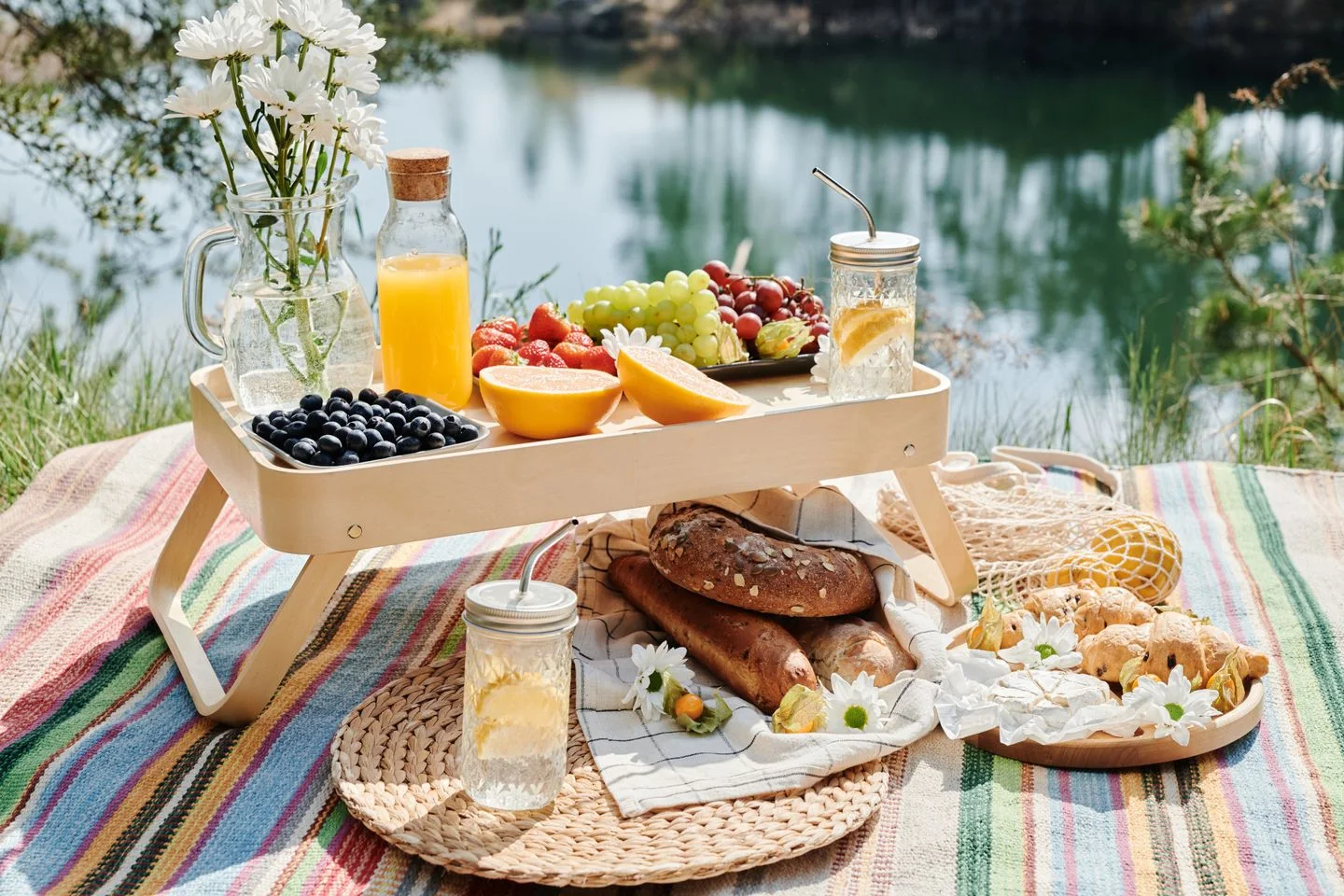
If the intended place is unsuitable, the meal can happen at another permitted location or indoors. The purpose was a shared break. There is no need to defend an original photographic composition against weather, site rules or the return journey.
Sources & current information
Opening hours, connections and conditions can change. Consult official sources before travelling and follow local notices.