Record one decision for next time
After an outing, much is still fresh, but only a small part will help with the next plan. Instead of documenting the entire day, ask which decision you would repeat or change on a similar trip. That produces a short observation you can actually use.
“Lovely weekend” preserves a feeling. “Staying near the departure station made Sunday easier with luggage” explains a relationship. Both can belong in a personal diary, but the second is more specific for planning. It identifies the circumstances in which the choice helped.
Keep differences between you visible rather than inventing a shared average. One person may have enjoyed the extended museum visit while the other needed more outdoor time afterwards. The next plan can respond without retrospectively declaring the whole visit good or bad.
Separate places from changing information
Save the precise name and, where helpful, address of an interesting place. If retaining hours, fares or connections, attach a date. This prevents a past arrangement from silently becoming a claim about your next stay.
A map list can help you find places again. Google Maps, for example, distinguishes private and shared lists. Deliberately choose whether access is just for you or for other people. A list of visited places does not need booking references, entry codes or complete travel documents.
Add a brief reason for saving the location: a useful meeting point, a short route to the station or a museum you have not visited yet. Without that context, names accumulate and their meaning may be unclear when you next open the list.
Revise packing through actual use
While unpacking, notice items repeatedly searched for, unnecessarily carried or missing. An unused object was not automatically pointless: rainwear may have been a reasonable precaution even when the weather remained dry. Distinguish preparation from belongings that had no purpose for this kind of outing.
Write “put tickets in a more accessible pocket” rather than listing every bag’s contents. One specific improvement can be applied before the next departure. A complete inventory can become another task nobody wants to read again.
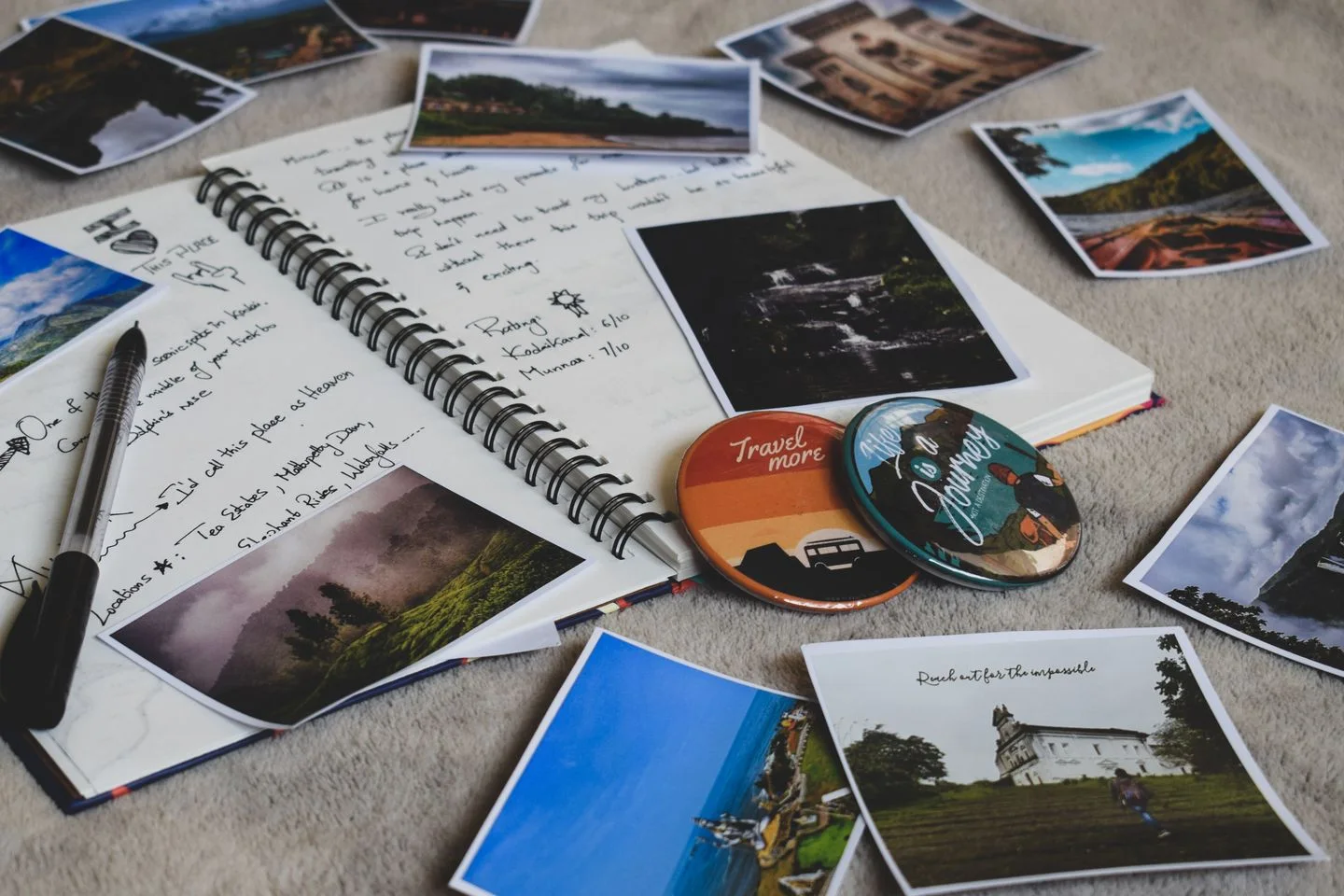
When selecting photographs, a few with a clear connection to the outing may be enough. If a note has neither future use nor personal meaning, it can go. The aim is a small collection you willingly revisit, not the largest possible archive.
Sources & current information
Opening hours, connections and conditions can change. Consult official sources before travelling and follow local notices.