Choose one observation
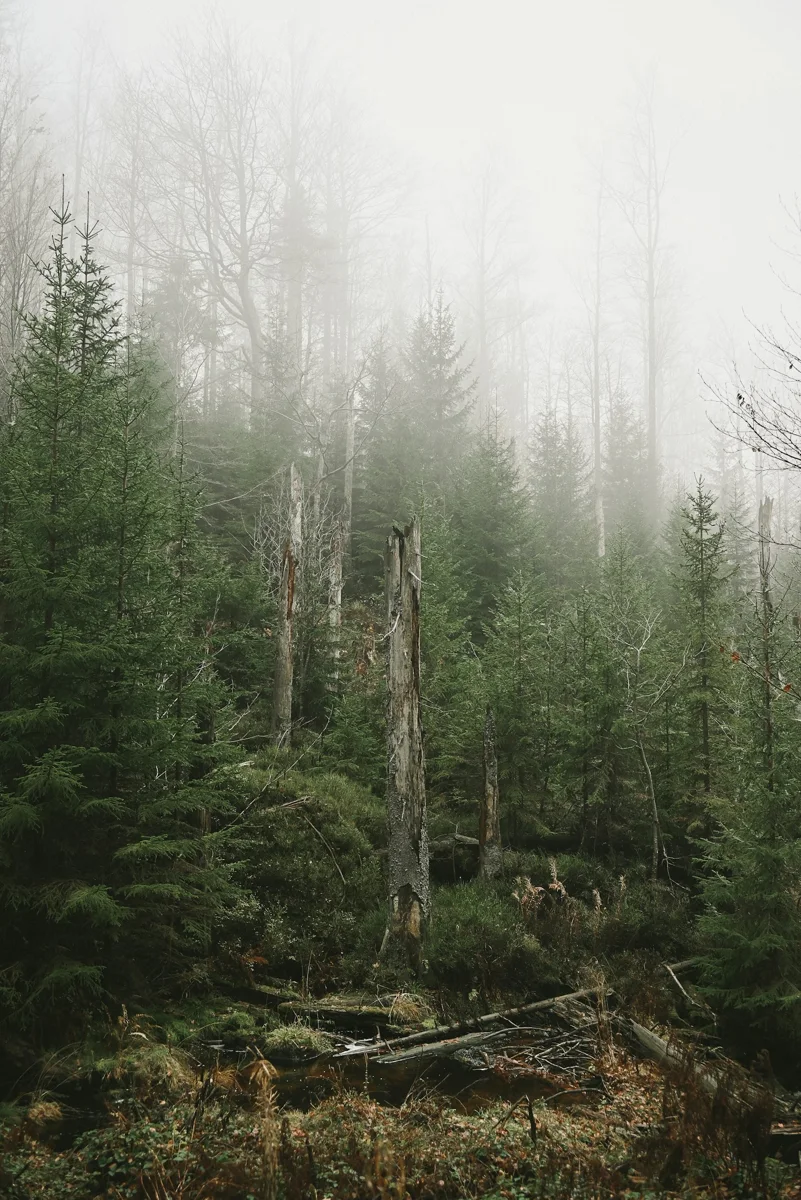
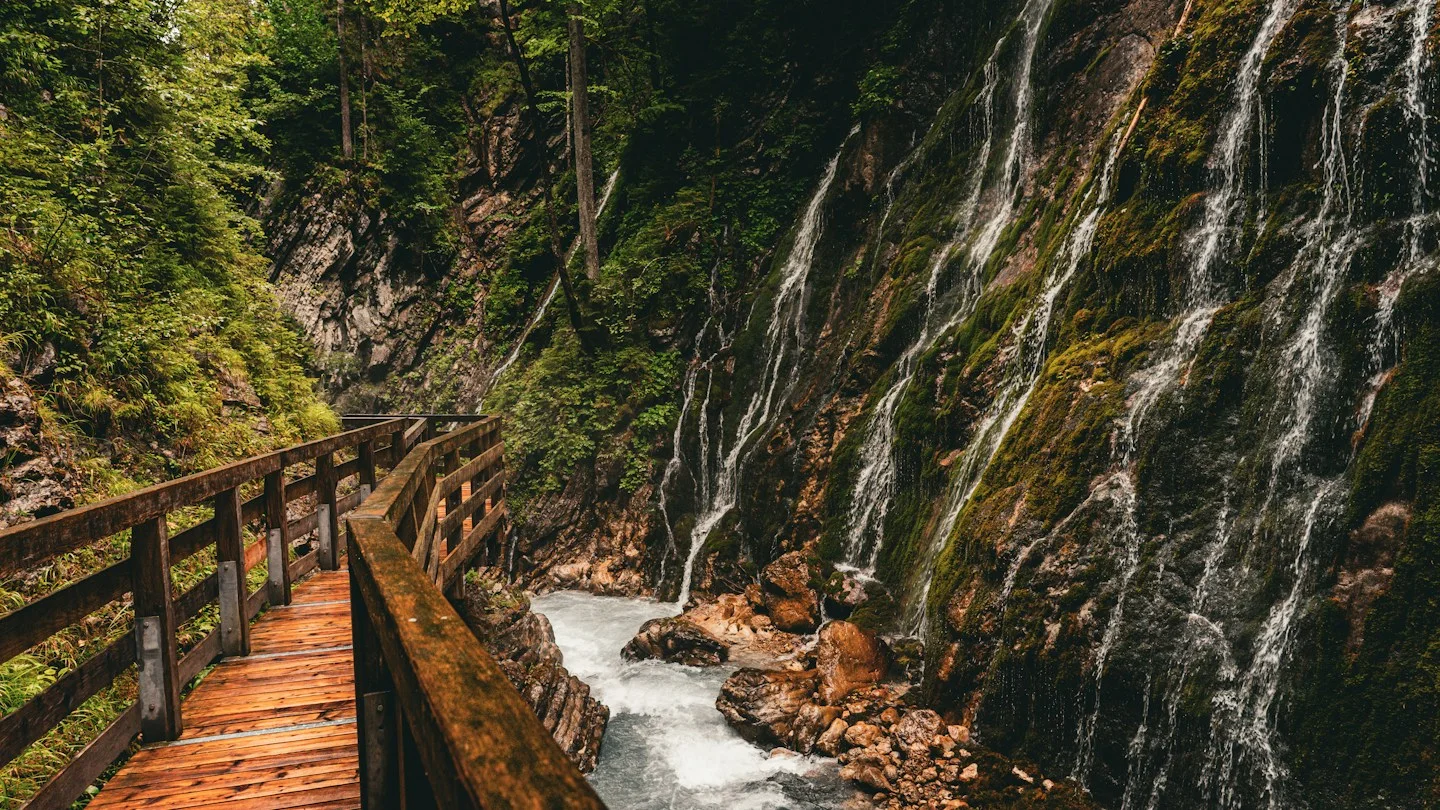
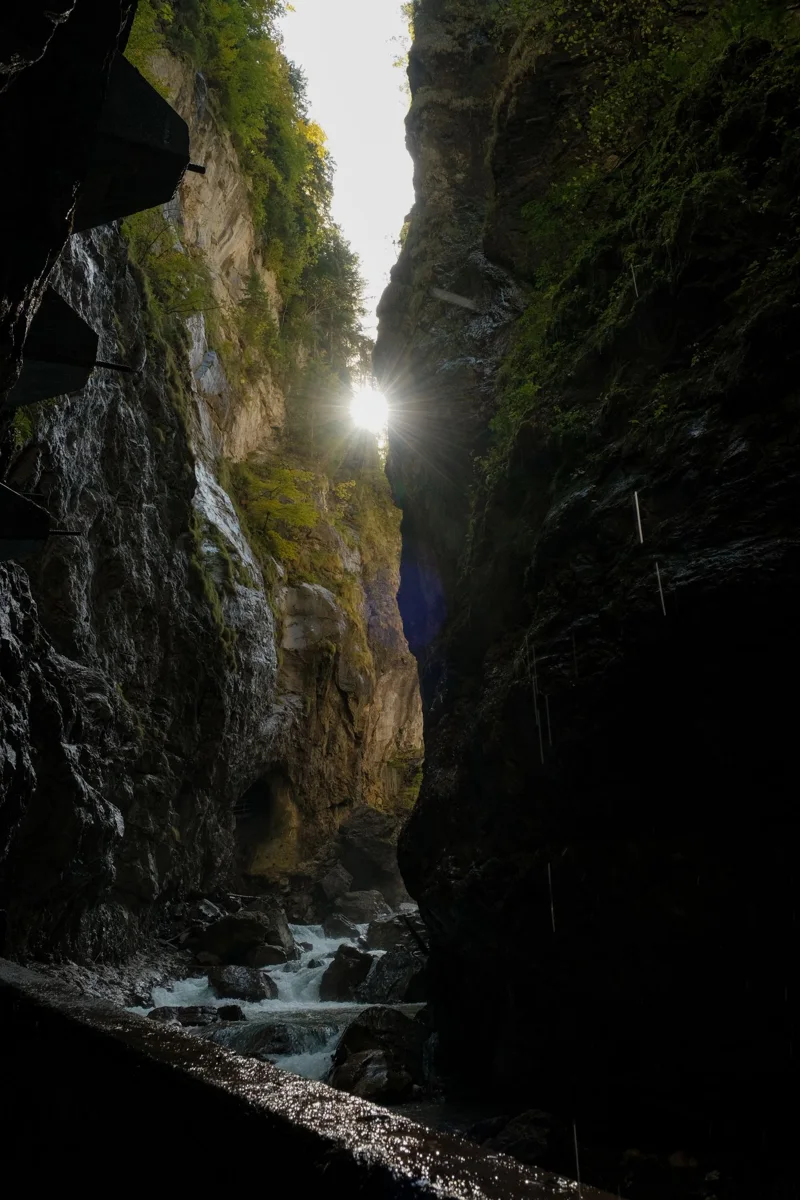
A woodland day does not always need a distant objective or viewing tower. A short permitted path can reveal plenty if given attention. Begin with one question: how does light reach the ground, how do crowns differ, or where does spacing between trunks change?
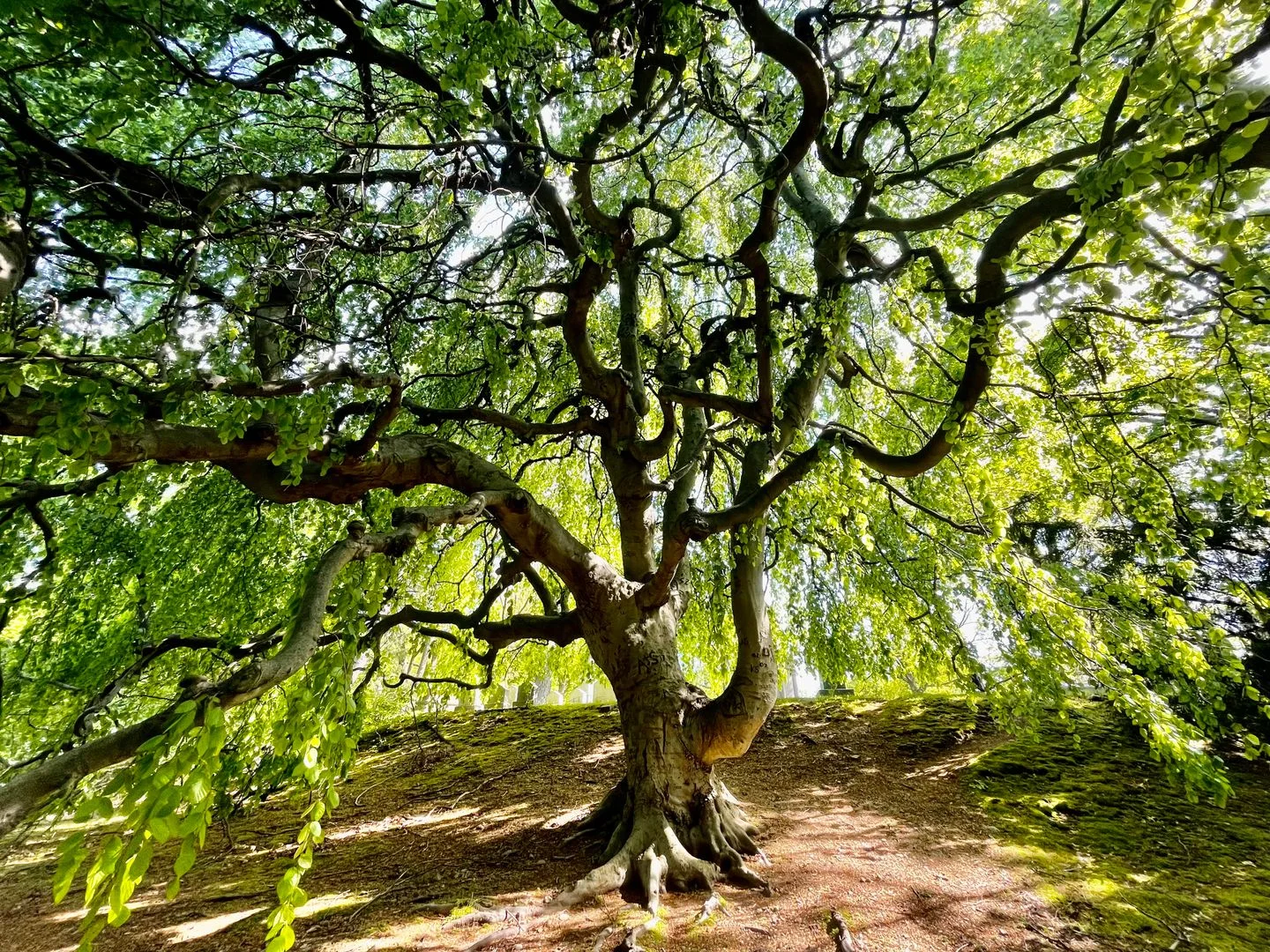
Kellerwald-Edersee National Park explains the role of the European beech's shaded canopy. Use that information as a prompt to look more closely. This article's image is a general beech photograph, not identification of a particular national park.
Choose your actual woodland and route through local official information. An explanation of a tree species does not replace a map, access permission, or checking current closures.
Look at three levels from the path
Begin with ground visible from the route. Notice fallen leaves, contrasting plant cover, or open and shaded patches. Nothing needs lifting or turning over. In protected places especially, plants, wood, and other material remain where they belong.
Next study trunks: their forms, branching, and spacing. Avoid instant age estimates. A thick trunk cannot be converted into an exact age without further information. A hollow does not automatically establish that a tree is diseased or harmless.
Finally look towards the canopy without leaving the path. Where is it closed, and where is there a gap? Looking up briefly changes perception of the same route. Return attention to the ground ahead when moving again.
These observations can be repeated at another suitable place. Comparing two small scenes often reveals more than seeking something exceptional throughout the walk. The aim is attention rather than collecting unusual specimens.
Sharing does not require constant conversation
A short quiet period may work well for two people. Agree to walk without talking until another appropriate stopping place, then each mention one observation. No app or species quiz is required.
One person may enjoy identifying plants while the other notices shapes and light. You need not give every feature the same technical label. An unidentified sound can remain unidentified rather than being assigned a probable animal.
Photograph details from accessible ground. A bark picture does not require stepping into vegetation. Place bags and tripods without obstructing the path and leave animals undisturbed even when their presence would make an appealing subject.
Let the season change the question
A leafy forest and the same place without leaves have different spatial qualities. Respond to that difference without promising a particular light effect. Weather, time, and the actual stand determine what is visible.
Trees do not make woodland universally suitable in all conditions. Check local warnings, particularly concerning storms or other adverse circumstances. If the woodland is inappropriate that day, postpone rather than inventing a shortcut to preserve the plan.
Afterwards, retain only a few things worth noticing again: a particular tree beside the permitted path or changing canopy density. These can give a later visit more purpose than recording the largest possible distance.
Sources & current information
Opening hours, connections and conditions can change. Consult official sources before travelling and follow local notices.