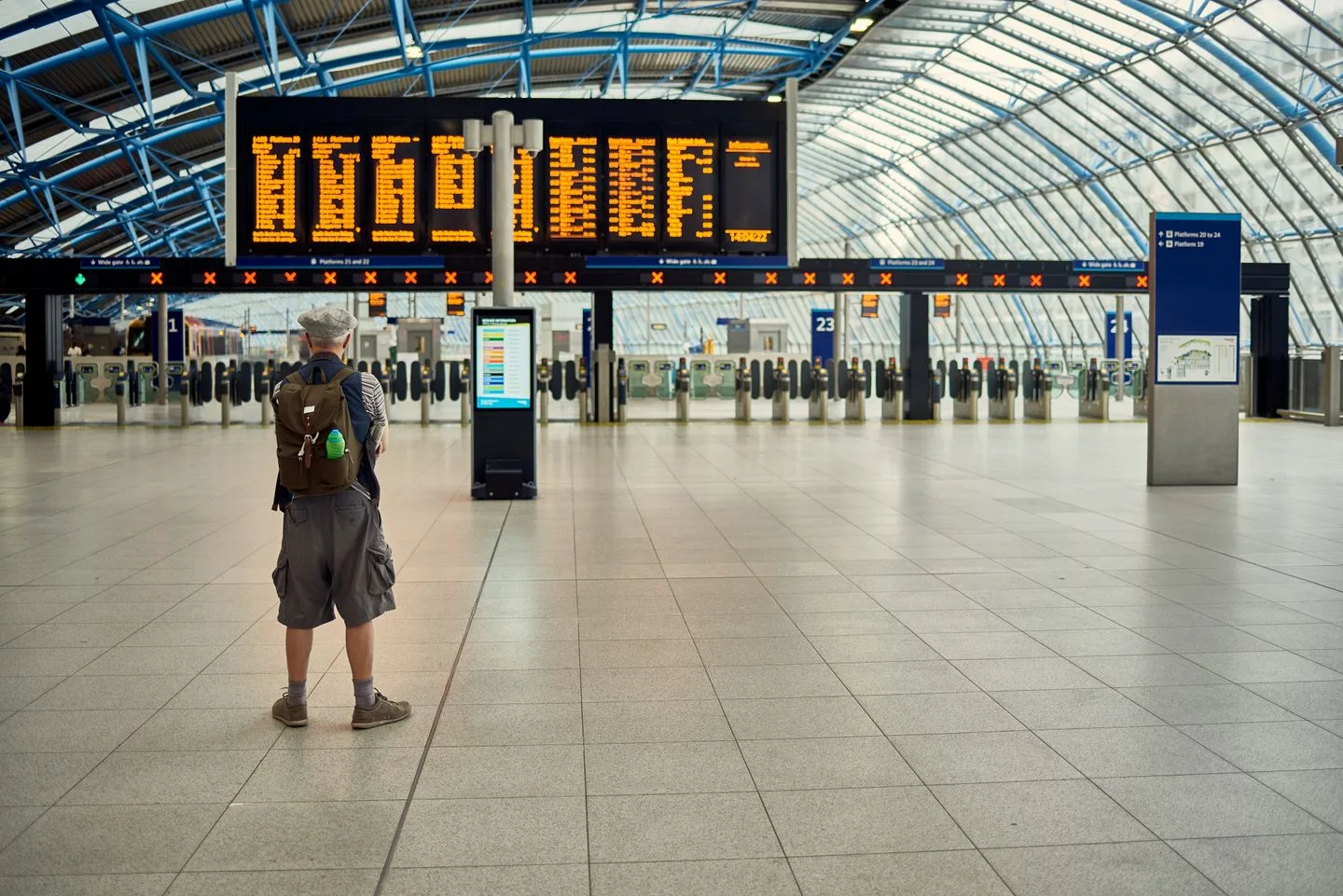
Distinguish the cancelled train from your actual problem
A cancelled train number is the first information. Your problem may be a later arrival with no fixed appointment, a missed further train, or accommodation with limited evening access. Identify the destination still needing to be reached. This helps compare alternatives through usefulness rather than the first displayed departure.
Check the responsible operator and current journey information. Preserve the original itinerary and cancellation notice. An earlier search or a general map application should not be the sole basis for the next decision.
Use the actual fare type. A train-specific long-distance ticket, regional day product, and separate international tickets raise different questions. Provide those details when asking for assistance rather than saying only that you have a ticket.
Continue, postpone, or abandon?
If still travelling, find an appropriate alternative and establish its permitted use. If the journey no longer serves its purpose, that differs from taking the next departure. Check applicable refund, abandonment, and passenger-rights rules for the particular situation.
DB explains release from train-specific restrictions in particular disruption circumstances. That does not mean every regional ticket becomes valid on every long-distance train. Establish the rule for your fare. A faster train in search results is not confirmed entitlement.
For replacement transport, verify boarding and destination. A bus may depart outside the station; diversion can produce another onward approach. Retain the complete leg rather than only its number.
Do not delete the original booking merely to make the new itinerary look cleaner. Its details may remain relevant to a later application and to explaining why additional travel was required.
Two people need a usable alternative for both
An alternative must work for both travellers. One seat or berth does not resolve shared continuation. For reservation-required services, check real availability before abandoning other necessary arrangements.
The original seat reservation does not automatically belong to the alternative. DB treats replacement reservations and possible reimbursement of the unused original separately. Ask about the intended process. A seat without a visible label does not become your substitute by assumption.
Separate sitting together from permission to travel. Separate seats may be acceptable for a short alternative; a long overnight journey may require another solution. Decide together before one person has already boarded.
Keep extra expenses identifiable
Retain invoices and payment records for additional costs. Note the purpose and connection to the disrupted journey. Another ticket, hotel, and meal are different entries. One unexplained total makes later assessment harder.
Where possible, clarify assistance before independently arranging alternatives and record advice received. A necessary urgent decision differs from a confirmed promise to pay. Describe only what was actually agreed afterwards.
DB's additional-expense information provides an application route and advises retaining originals until completion. Reimbursement of a particular expense depends on applicable rules and circumstances. A readable invoice supports examination without by itself proving entitlement.
Avoid duplication. If a company pays accommodation directly or supplies a ticket, do not present the same amount again as your own unpaid cost. Keep provided services distinct from your payments.
If several receipts relate to one booking, explain their relationship. A deposit and final hotel invoice may represent the same stay rather than two separate accommodation expenses.
Inform the accommodation and recheck the final leg
A later mainline arrival can change the last local connection. Search through to the address again. Reaching the main station helps little if the remaining journey or key handover is unresolved.
Tell the accommodation about relevant changes and establish an actual solution. Cancellation, late access, and storage are different questions. Railway advice does not determine another provider's booking conditions.
If separating temporarily, agree the next meeting place and communication method. Both should hold the final address and necessary documents. One person carrying all tickets on an unreachable phone complicates an already changed situation.
Create a complete but concise record afterwards
Record actual arrival, alternative used, and important advice. Submit the appropriate application to the responsible company with understandable supporting records. Check the current procedure rather than copying an old address or deadline from a travel account.
Keep submitted copies and the response. A focused query about a missing invoice or calculation is easier when the original file survives. The cancellation need not become a long reconstructed story: original plan, actual sequence, expenses, and confirmed assistance provide a checkable basis.
Sources & current information
Opening hours, connections and conditions can change. Consult official sources before travelling and follow local notices.