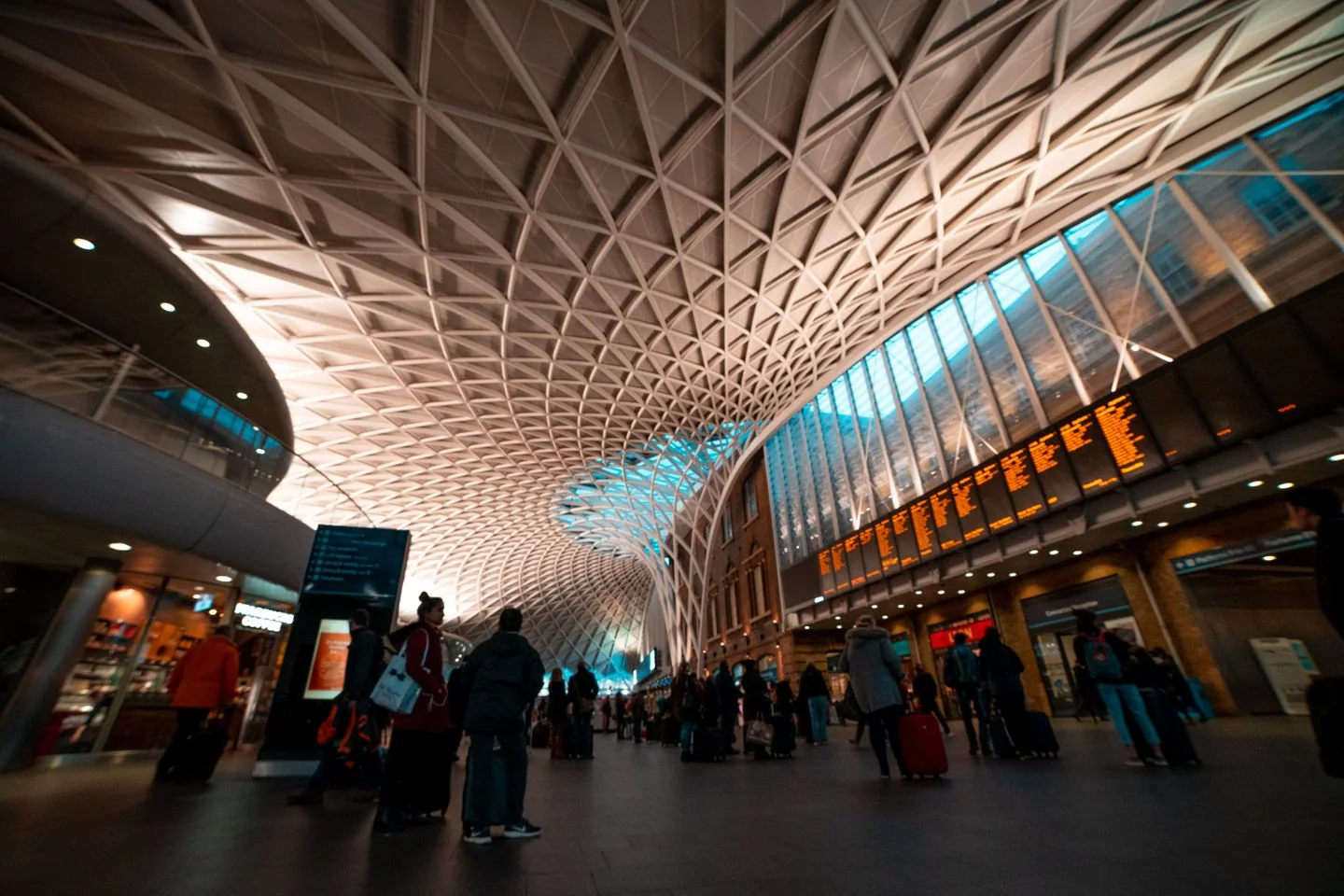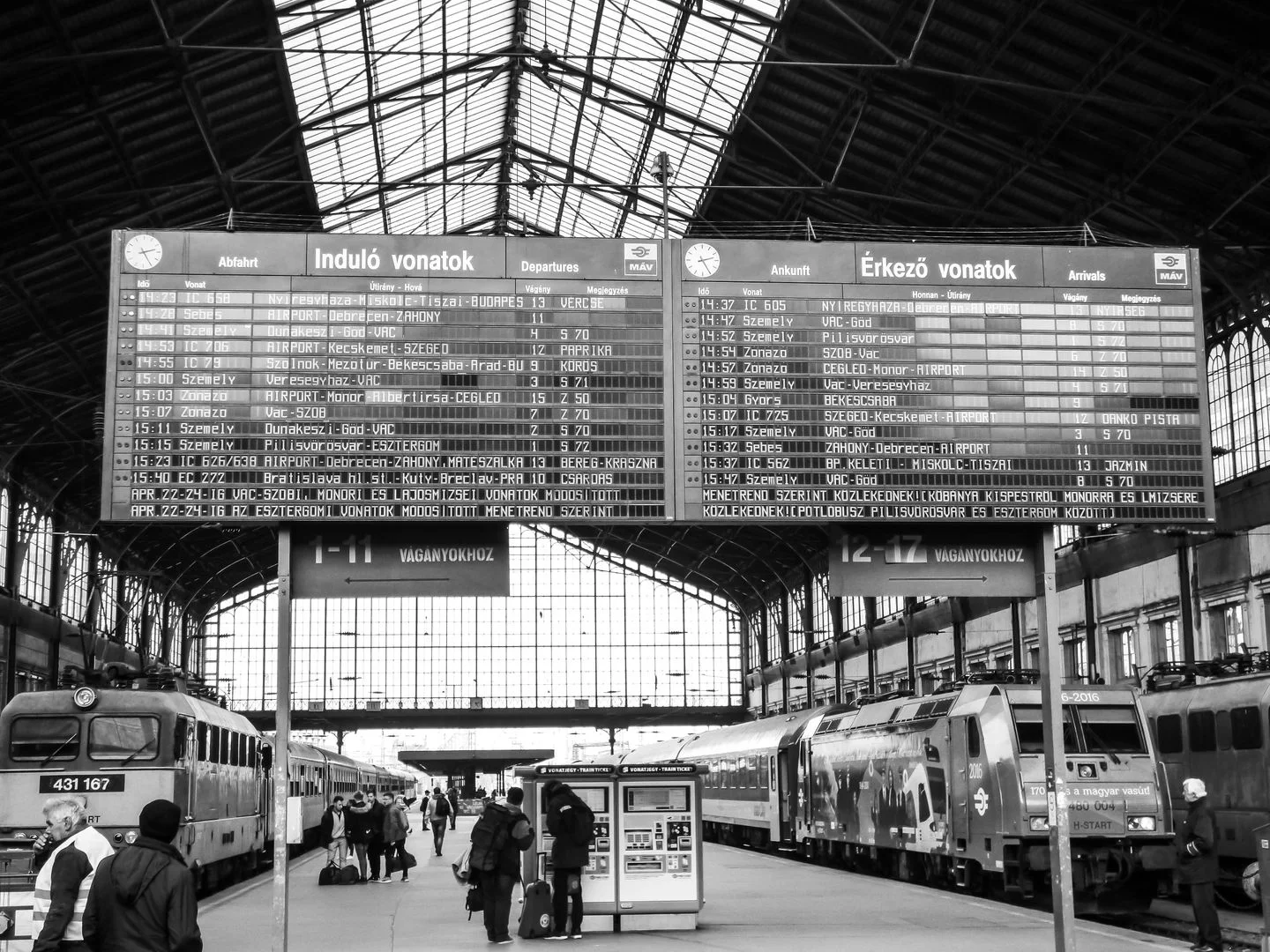
The city name is not the arrival point
A coach may arrive at a central terminal, beside an airport, or at a stop some distance from the centre. Compare more than the travel time between cities. Open the actual destination stop and trace the onward journey to the accommodation. A cheap service arriving well outside the centre can consume a substantial part of the usable evening on a one-night trip.
Write down the full stop name from the ticket. Where names are similar, a street address and map position help distinguish them. FlixBus explains how to search for stops through its website and app, which can also provide notices about the specific location. An old map pin from a travel blog is a weaker basis when a stop has been temporarily moved.
Check boarding and arrival separately
Treat the return departure stop as a separate place to verify. It may be across the road, use a different entrance, or be a different station from the arrival stop. Save both positions with clear names. At roadside stops, one map pin does not necessarily explain which side the departing coach uses.
One person can examine the arrival-to-accommodation walk while the other checks the return. Compare the results to ensure you mean the same station. A saved screenshot should show the stop name and address as well as the map. This keeps the location understandable if mobile coverage is weak or an app will not load.
Identify the service among several coaches
At a busy terminal, the destination name may not be enough to identify the correct vehicle. Keep the booking with the departure time and connection number ready. FlixBus points passengers to the number on the confirmation or beneath the departure stop on the ticket. Compare local displays and instructions and ask if uncertain before loading luggage.
Avoid sending one person towards the vehicle with every document while the other is still outside the terminal. Agree on a clear meeting point and keep both tickets accessible. If the stop changes, share the update so that neither traveller remains at the original map pin.
The final local journey can decide the booking
For a late arrival, examine the transport available at that hour. A simple daytime tram journey may work differently at night. Compare walking, the actual public-transport connection, and a taxi where appropriate. Then check whether the resulting arrival at the accommodation fits its key-collection arrangement.
On departure day, allow for collecting bags and reaching the correct boarding point. A final walk can finish towards the coach stop rather than leave you crossing the city again. If the service is delayed, consult the operator's live information instead of inferring the remaining time from a stationary map marker. The journey works when the local legs before and after the coach also fit your plans.
Sources & current information
Opening hours, connections and conditions can change. Consult official sources before travelling and follow local notices.