Let the food determine the shape
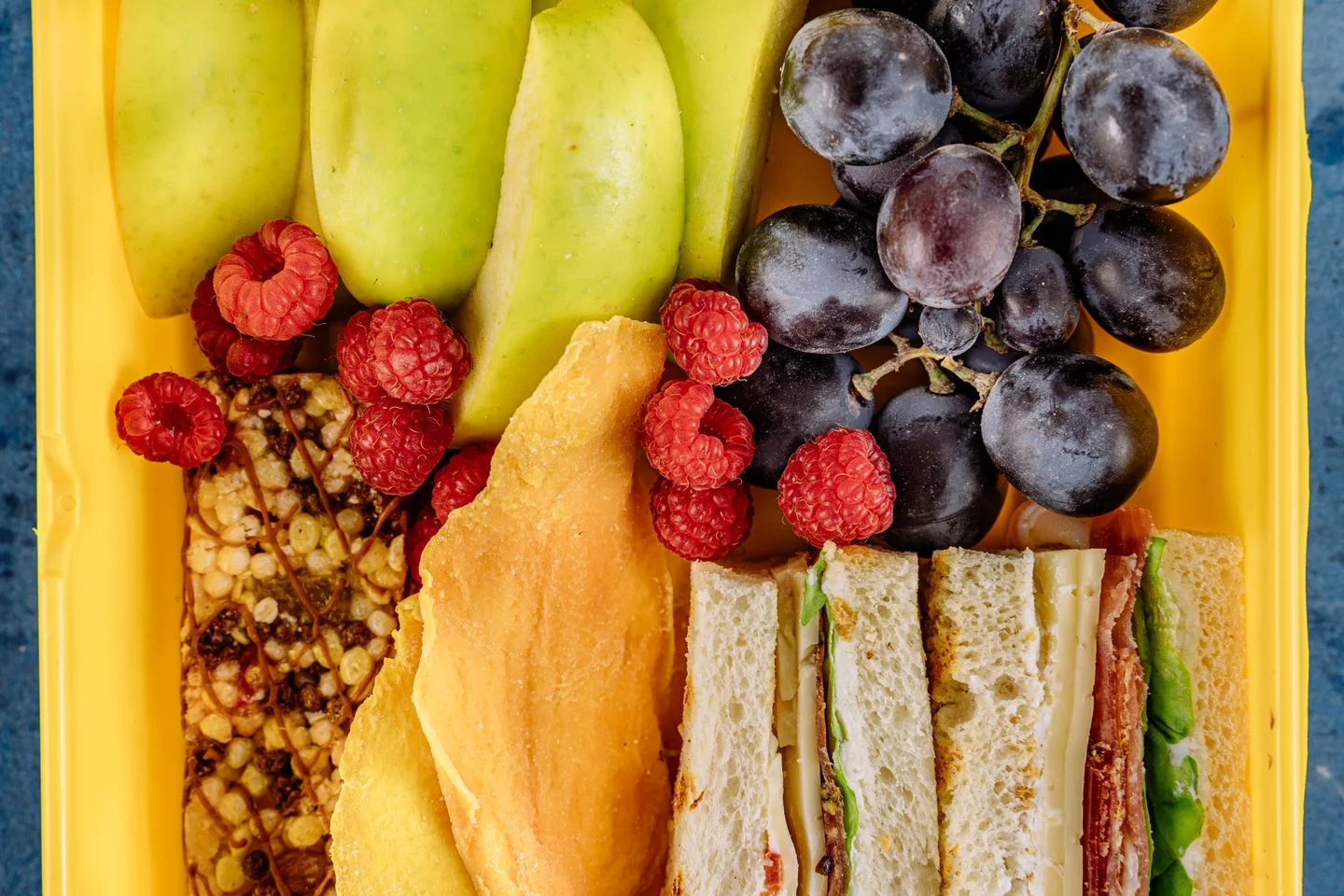
Start with what you actually plan to bring. Two sandwiches require a different footprint from loose pieces of fruit or a mixed snack. A tall narrow container may have sufficient capacity while accommodating bread only when folded. When shopping online, draw the published outer dimensions on paper and place a typical sandwich beside them. Remember that walls, curved corners, and dividers reduce the usable space inside.
A divider can separate soft and firm ingredients, but it also reduces the uninterrupted area. Check whether it can be removed or repositioned for your usual contents. Additional compartments are not automatically more versatile. If every use starts with finding storage for several unwanted inserts, a simpler container may be the more appropriate starting point.
For two people, one large container can work well on a shared picnic blanket. Two smaller ones allow more independence if one person eats earlier or you bring different foods. This is about access as well as portion sizes: consider whether both people need to reach the same bag at the same moment.
Understand what the closure actually promises
Read the intended-use description carefully. A fitted seal does not automatically mean a container is approved for liquids. SIGG explicitly describes its Metal Food Box as intended for solid food. A plastic insert or an additional inner lid does not turn that model into an unrestricted soup container. Avoid transferring claims between similar-looking products.
If you want to carry wetter foods, look for an explicit suitability statement and follow the associated filling, positioning, and closure instructions. A separate small container may be more appropriate than choosing the whole sandwich box around one occasional extra use. Independently of the product choice, avoid putting vulnerable electronics immediately below a food container that depends on upright positioning.
Operate the empty closures before choosing. Can you open them in sequence without tipping the whole box? Is one large clip easier for you to grip than several small tabs? Your companion should also understand the mechanism. An unfamiliar opening direction is an inconvenient discovery when you are sharing a narrow bench.
Check the outer dimensions inside a packed bag
Pack the container alongside your bottle, clothing, and other belongings. A flat rectangular box might use a backpack's base efficiently while having to stand upright in a narrow shoulder bag. That makes its stated orientation and closure limitations particularly relevant. Include projecting clips and hinges when measuring, unless the manufacturer's dimensions clearly account for them.
You should be able to reach the food without putting the rest of the bag on the ground. A container underneath every layer of clothing may be awkward during a train journey, even if the arrangement looks neat at home. If you intend to eat only at a longer stop, a deeper position might be reasonable. The order of the day should determine the position.
Think about the return journey too. A rigid box keeps the same dimensions after lunch. Nesting or collapsible designs may occupy less space, provided their construction suits the intended contents and cleaning routine. Make separate provision for used cutlery or packaging; an empty box is not automatically suitable for every wet residue you need to bring home.
Read the care instructions component by component
Check the body, insert, lid, and gasket separately. For the SIGG example, the stated dishwasher and microwave suitability concerns the described polypropylene insert. It should not be read as permission to put the complete aluminium assembly into those appliances. Other manufacturers may use different combinations, so appearance cannot settle the question.
Look at whether your existing cleaning tools can reach narrow corners and which pieces the instructions allow you to dismantle. Small seals and removable dividers also need an assigned drying place. If a component goes missing, the feature that made the container appealing may no longer function as intended.
Choose for the picnic you prepare most frequently and the bag you actually carry. An accessible, straightforward shape with manageable cleaning requirements can contribute more to a comfortable stop than an elaborate system that constantly needs a special packing arrangement.
Sources & current information
Opening hours, connections and conditions can change. Consult official sources before travelling and follow local notices.