Lay out the contents first
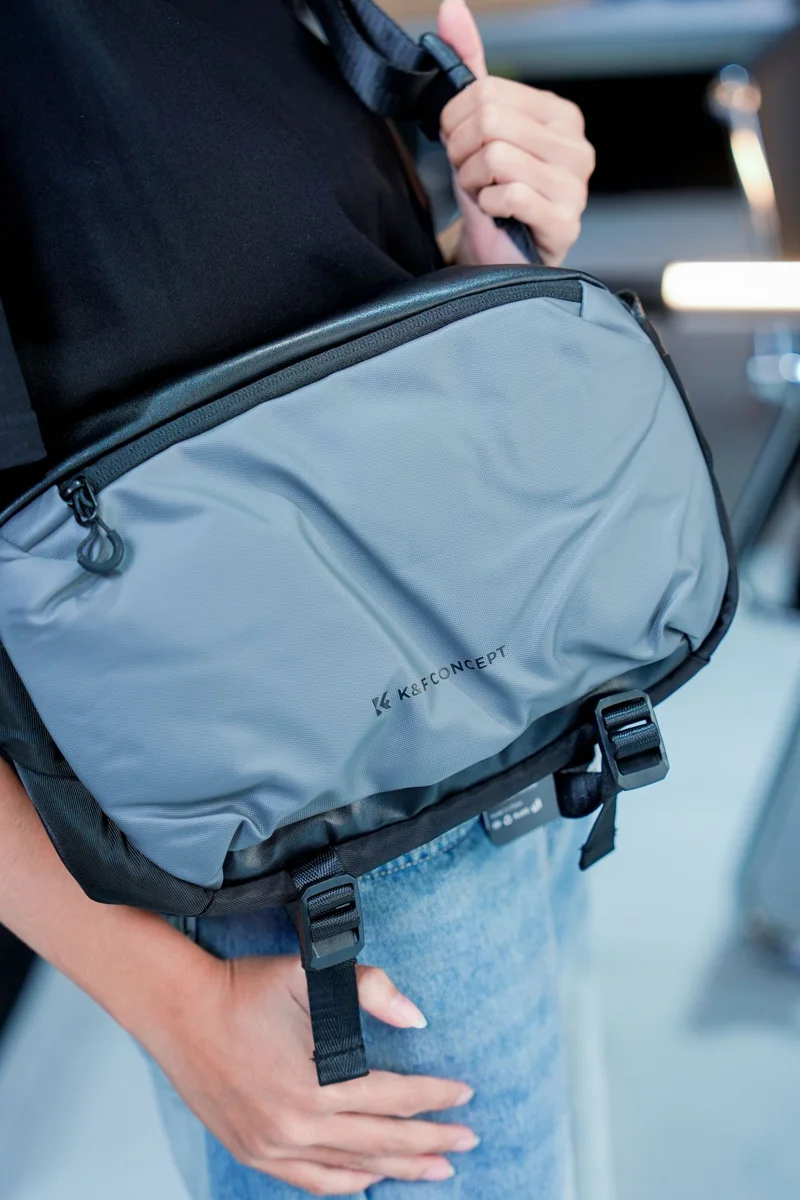
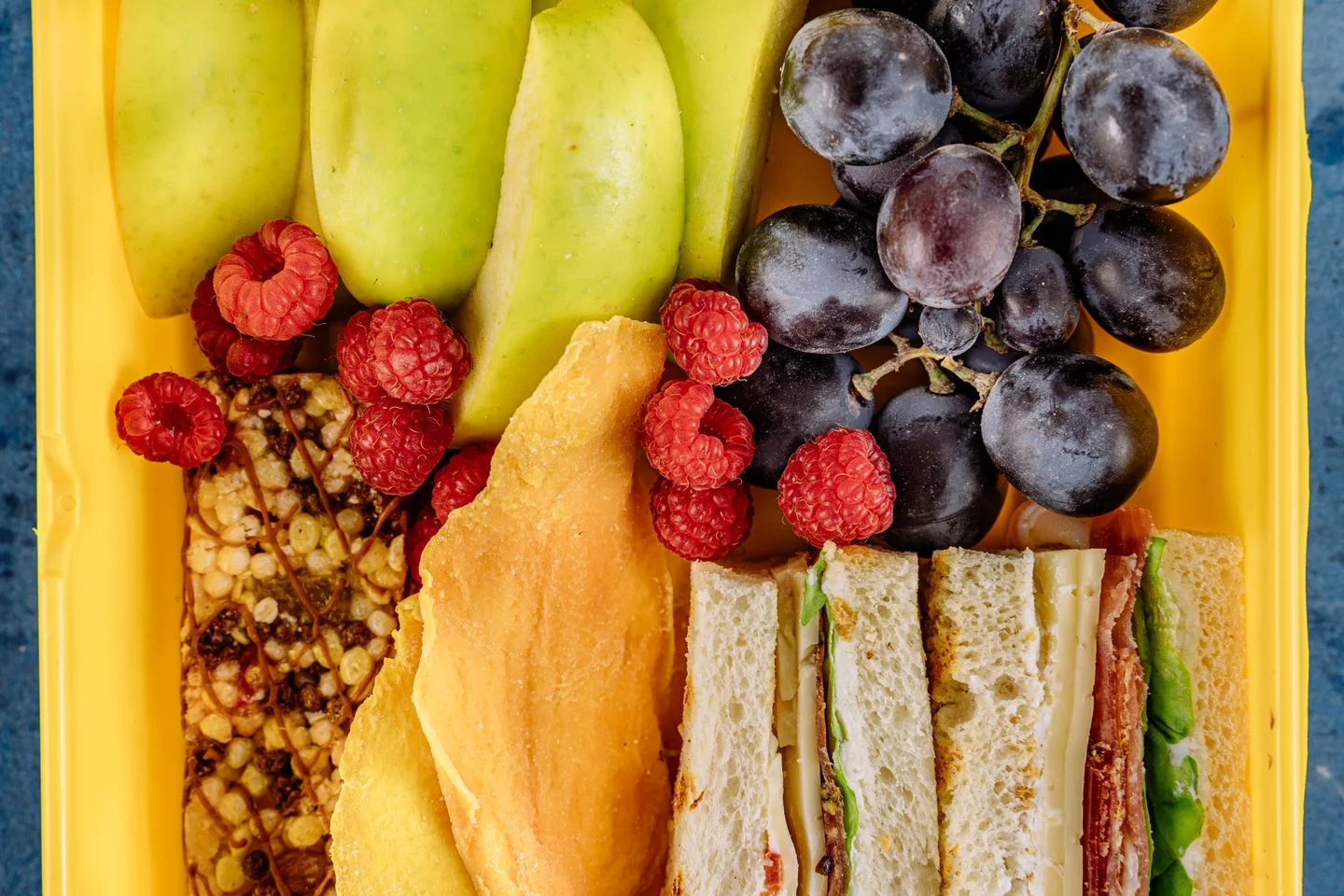
A pack for two people does not automatically need twice the capacity of a pack for one. Some items are shared; others remain personal. Lay out the load for a typical outing: drinks, food, additional clothing, and individual belongings. This actual collection provides a more useful starting point than buying by a broad activity label.
Capacity in litres describes storage rather than fit. The shape of the main compartment matters too. A wide food container may sit awkwardly inside a narrow pack even when the stated volume appears sufficient. Try your own objects rather than relying entirely on a category such as day hiking or city travel.
Allow space for something that begins the day outside the bag. A jacket worn in the morning may need packing later. Equally, a partly filled bag should not pull backwards uncontrollably as you move. Check whether the model's intended compression arrangements manage the smaller load sensibly.
Try it with a realistic load
An empty pack can feel comfortable and behave differently when filled. Deuter's fitting guidance starts with a realistic load and loosened straps. Use comparable contents when trying a model and follow its own adjustment instructions. Small daypacks do not all have identical straps or a load-bearing hipbelt.
Walk for several minutes, lift your arms, and try sitting down. Do the shoulder straps rub near the neck, does the bag slide, or does it stand away from the back? A sternum strap should not restrict breathing. Tightening everything is not a remedy for an unsuitable shape.
If you intend to alternate carrying, both people should try the loaded pack. Height alone does not determine fit; torso length and the shape of the harness matter. Do not assume one adjustment suits both wearers when a change actually requires resetting the straps. Two well-fitting smaller packs may sometimes be simpler than sharing one compromise.
Match access to the day
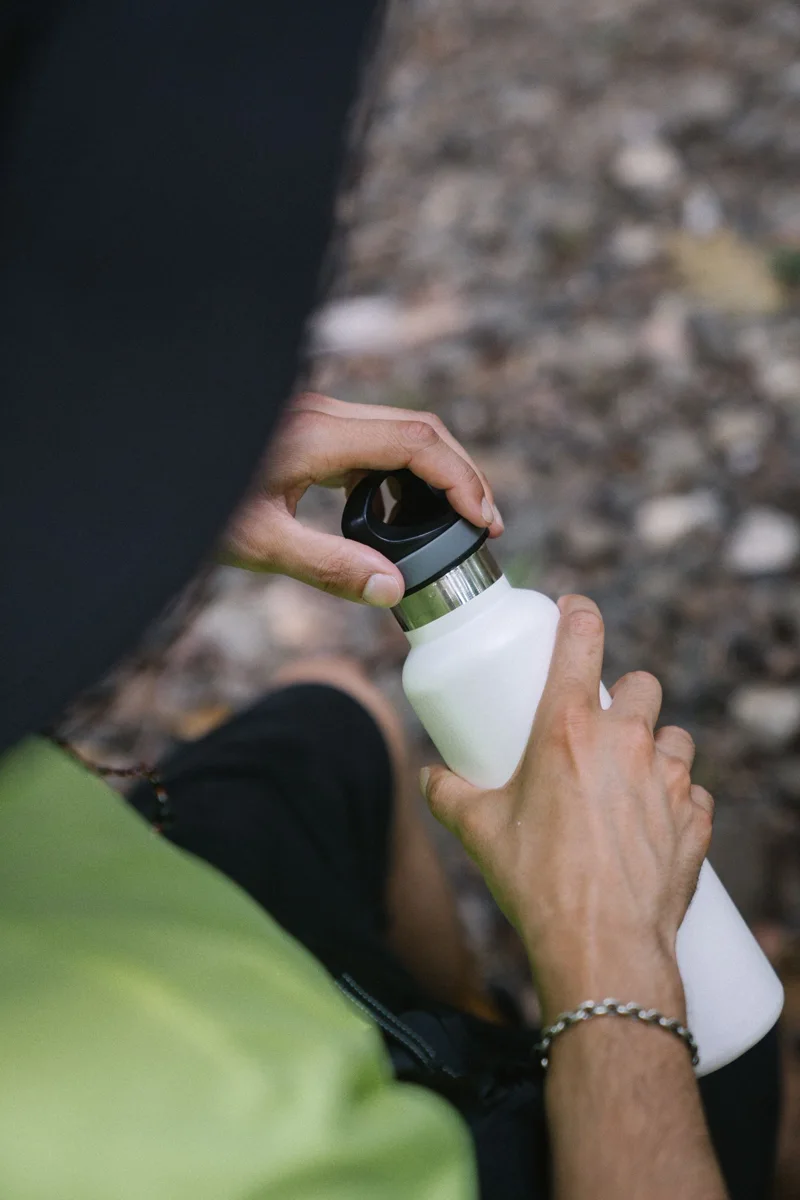
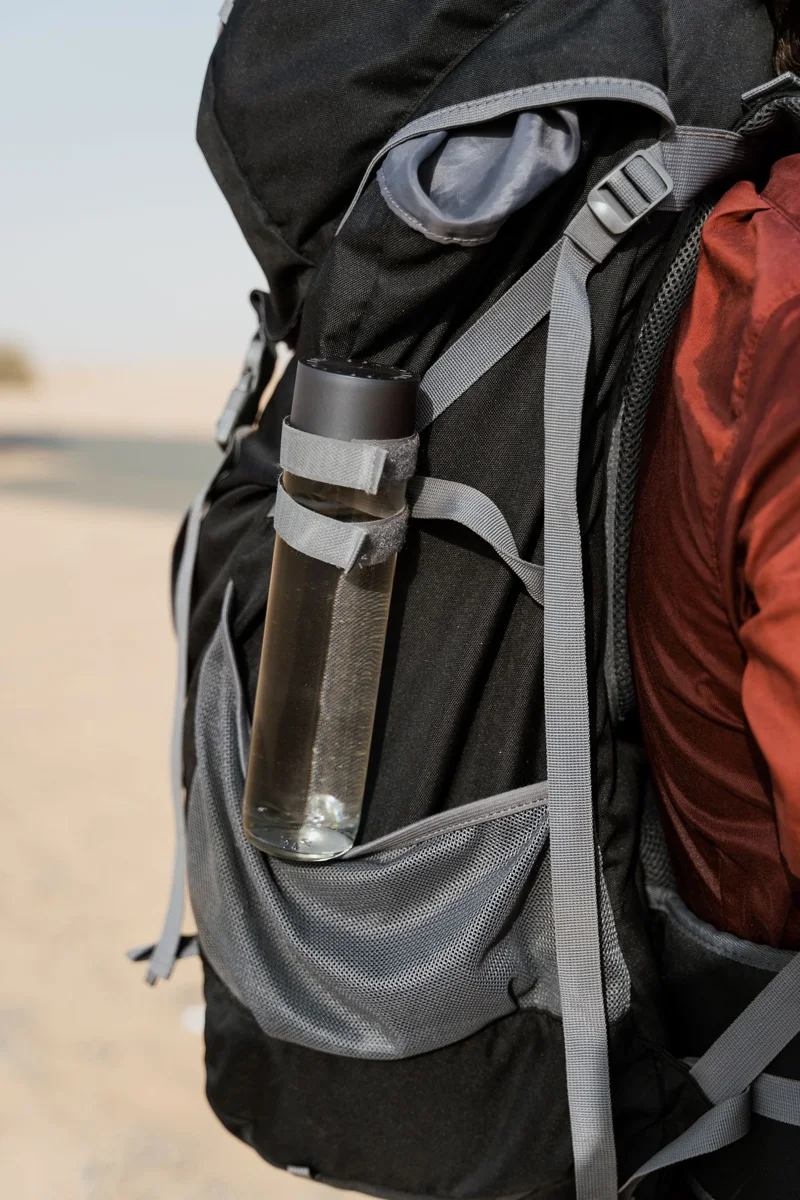
Consider when items will be used. Drinks, tickets, and an additional light layer should not require emptying the main compartment repeatedly. Test bottle pockets with your own bottles and check retention. A side pocket in a product image does not establish compatibility with your particular bottle.
The person carrying a shared bag can otherwise become a permanent distribution point. Divide personal items deliberately. A phone, necessary ticket, and other immediately needed belongings need not sit beside the shared lunch. The arrangement should suit the outing rather than produce an equal number of pockets for each person.
Many compartments help only if you can remember and use them. One clear inner pocket may work better than numerous tiny zips. Check that the closures can be operated with the clothing and conditions you expect, rather than judging their usefulness from an empty indoor display.
Consider the return journey as well. Empty food containers, removed layers, and a small purchase may change the load's shape. A pack that works only when every object is arranged in one exact order may be unnecessarily frustrating for a relaxed day out.
Read weather protection precisely
Examine the description of fabric, seams, and closures. Water-repellent fabric does not automatically make the whole bag waterproof. Establish whether a rain cover is included and what it actually covers. Sensitive contents may need a separate suitable internal enclosure, checked with your own belongings before departure.
The useful outcome is not the longest feature list. Choose a model that carries the actual load, fits its intended wearer, and keeps frequently used things accessible. A loaded fitting and a complete trial pack reveal more about those requirements than a universal recommendation assigning every couple the same capacity.
Sources & current information
Opening hours, connections and conditions can change. Consult official sources before travelling and follow local notices.