Put the actual contents together first
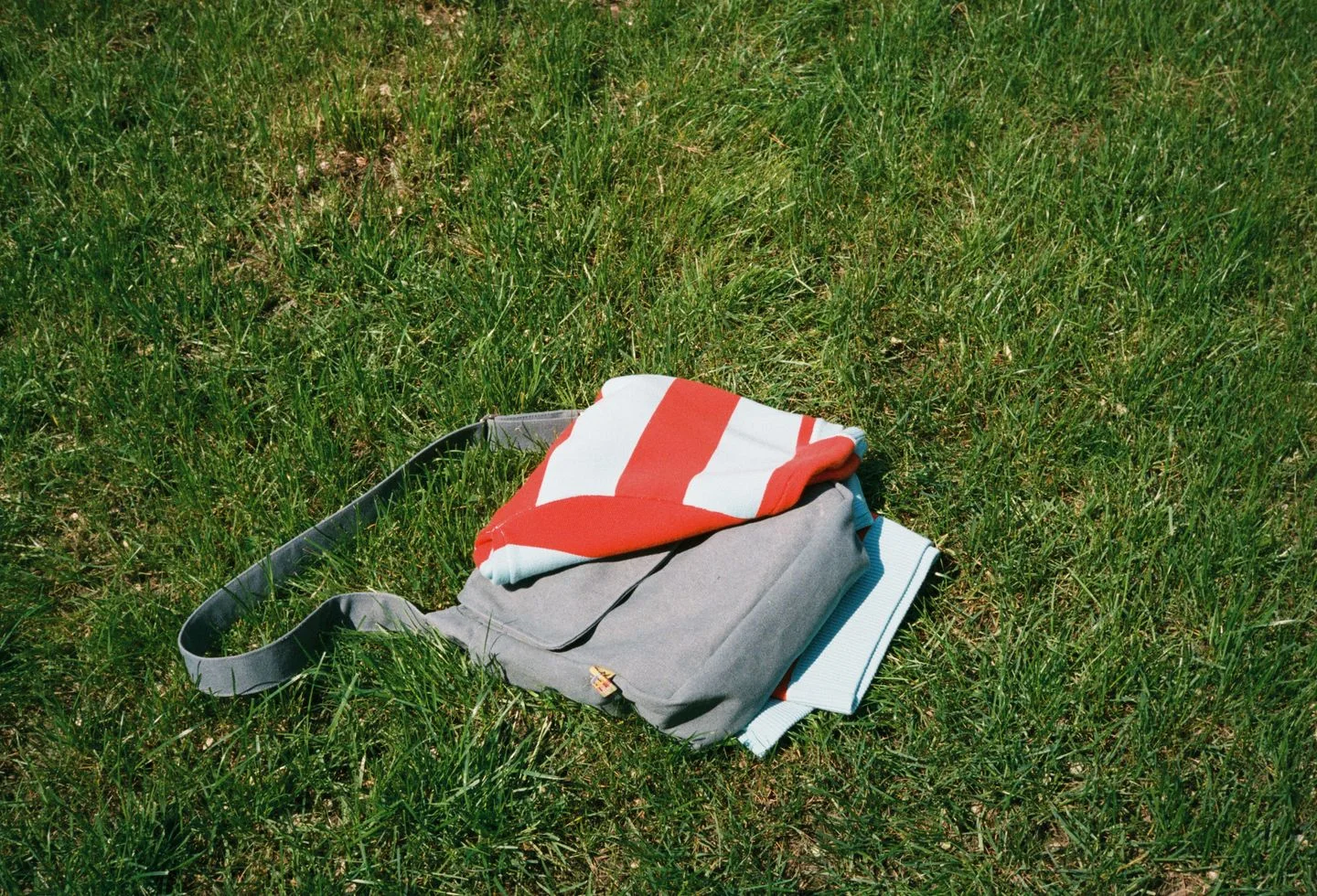
A small crossbody bag can look entirely adequate for a city visit while it is empty. Add a water bottle, glasses case, phone, wallet, and an extra layer, and its suitability becomes clearer. Gather the objects you will really carry before comparing bags. If the zip closes only when the contents are compressed firmly, there is little room for a jacket taken off later or a small purchase.
Two people do not need matching bag arrangements. One can carry shared items in a backpack while the other keeps personal essentials within easy reach. Both should still be able to access their own ticket, money, and phone independently. A shared main compartment is less useful for objects needed repeatedly while you look around separate parts of a museum.
Easy access occupies space too
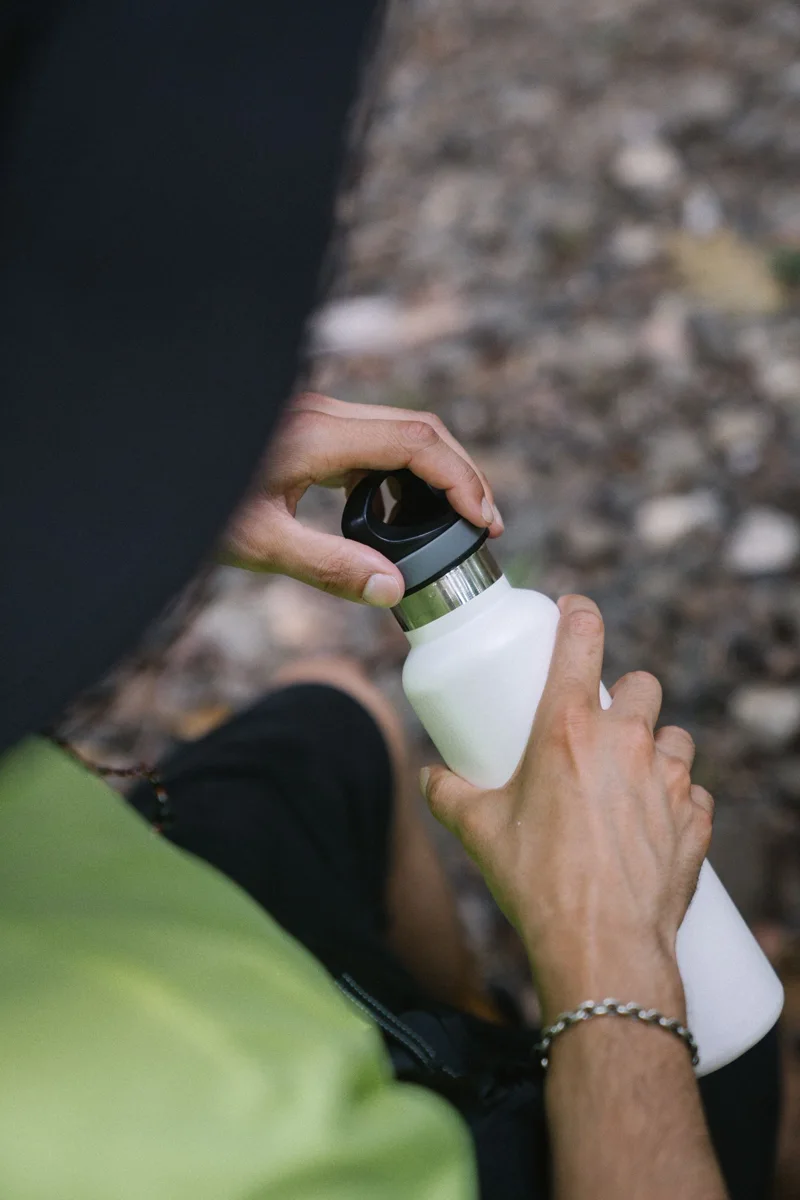
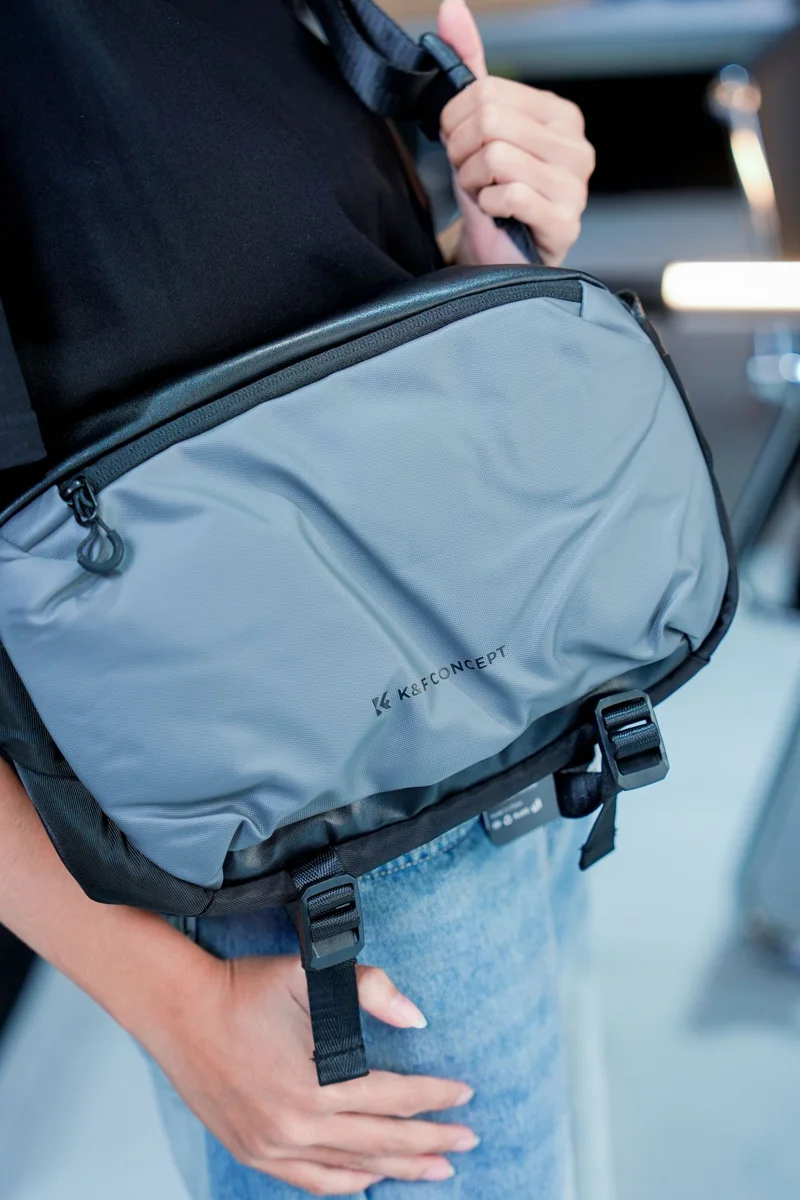
A crossbody bag can be moved around to the front for a brief search. At a tram stop or payment counter, that may be more convenient than removing a backpack. Check which way the opening faces, whether the whole zip is accessible, and whether the contents remain upright as it opens. A slim phone pocket does not necessarily provide a useful place for a thick bottle.
Manufacturers arrange these spaces differently. Osprey's Daylite Crossbody Pouch, for example, combines an internal bottle pocket with organisation compartments and an adjustable strap. That is an illustration of layout rather than a recommendation for the model. The label crossbody tells you less than the internal proportions: a bag with enough stated volume may still be the wrong shape for your belongings.
With a backpack, consider the order of access. Tickets beneath a jumper are inconvenient regardless of the main compartment's capacity. Check whether a small outer pocket holds the objects you use most often and whether you can open the bag on a bench without removing half its contents. A pocket that opens against a seat back may be awkward during a seated train journey.
Try the carrying arrangement with a believable load
A narrow shoulder strap can feel unobtrusive with a phone and quite different with a full bottle. Try a crossbody bag with a representative load. Adjust its length, walk, sit down, and lean forward as you would to take a photograph. Notice whether the bag strikes your hip or thigh, slides away, or needs a hand holding it in position.
A backpack places the load on two shoulder straps but takes up space behind you. Its depth matters in a crowded café, lift, or display room. For a day with frequent indoor stops, a relatively flat pack may suit the movement better than a deep outdoor model. Height and depth measurements are more informative here than an additional external pocket.
If you intend to take turns carrying shared belongings, both people should try the adjustment. A setting that works for one person may feel awkward for the other. Switching should not require a lengthy threading exercise, or the supposedly shared bag will probably remain with the same carrier all afternoon.
Consider how the contents change during the day
A short walk, café, and exhibition may need only a crossbody bag if spare clothing stays elsewhere. A full day combining streets, a park, and changing weather creates a different carrying problem. For that day, test whether a removed layer fits in the backpack without forcing the water bottle sideways against everything else. This is more revealing than filling the pack with soft clothing alone.
Check important attractions' bag policies with their operators. A bag described by its manufacturer as small is not automatically admitted, and a crossbody style is not necessarily exempt from cloakroom requirements. If you expect to leave a bag, grouping personal essentials in a removable pouch makes that transition simpler.
Choose for the most frequent action in the actual itinerary. Someone who needs a phone five times and a jacket once faces a different task from someone carrying water and layers for several hours. A suitable bag supports those movements without repeated unpacking; it does not need to solve every hypothetical future journey.
Sources & current information
Opening hours, connections and conditions can change. Consult official sources before travelling and follow local notices.