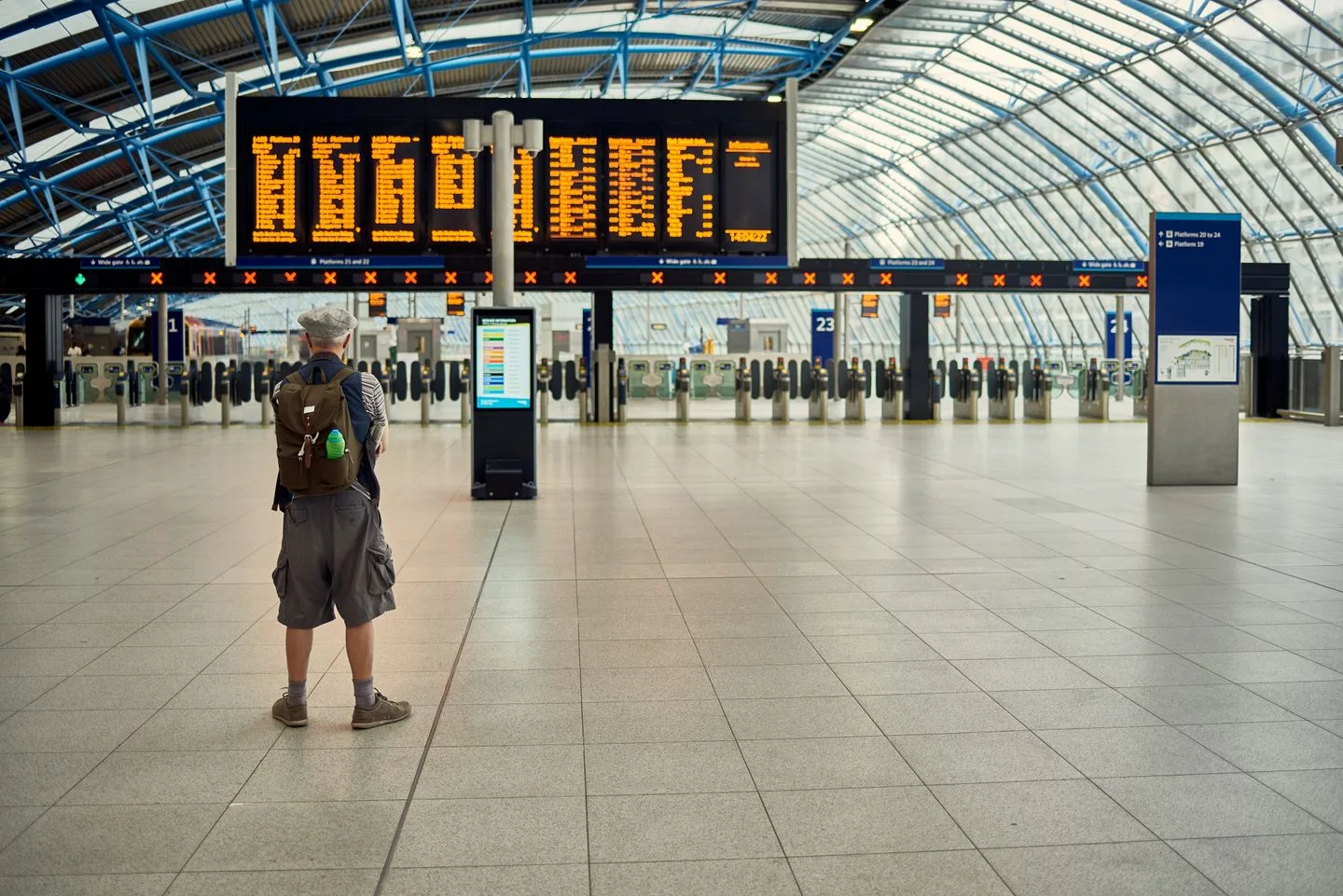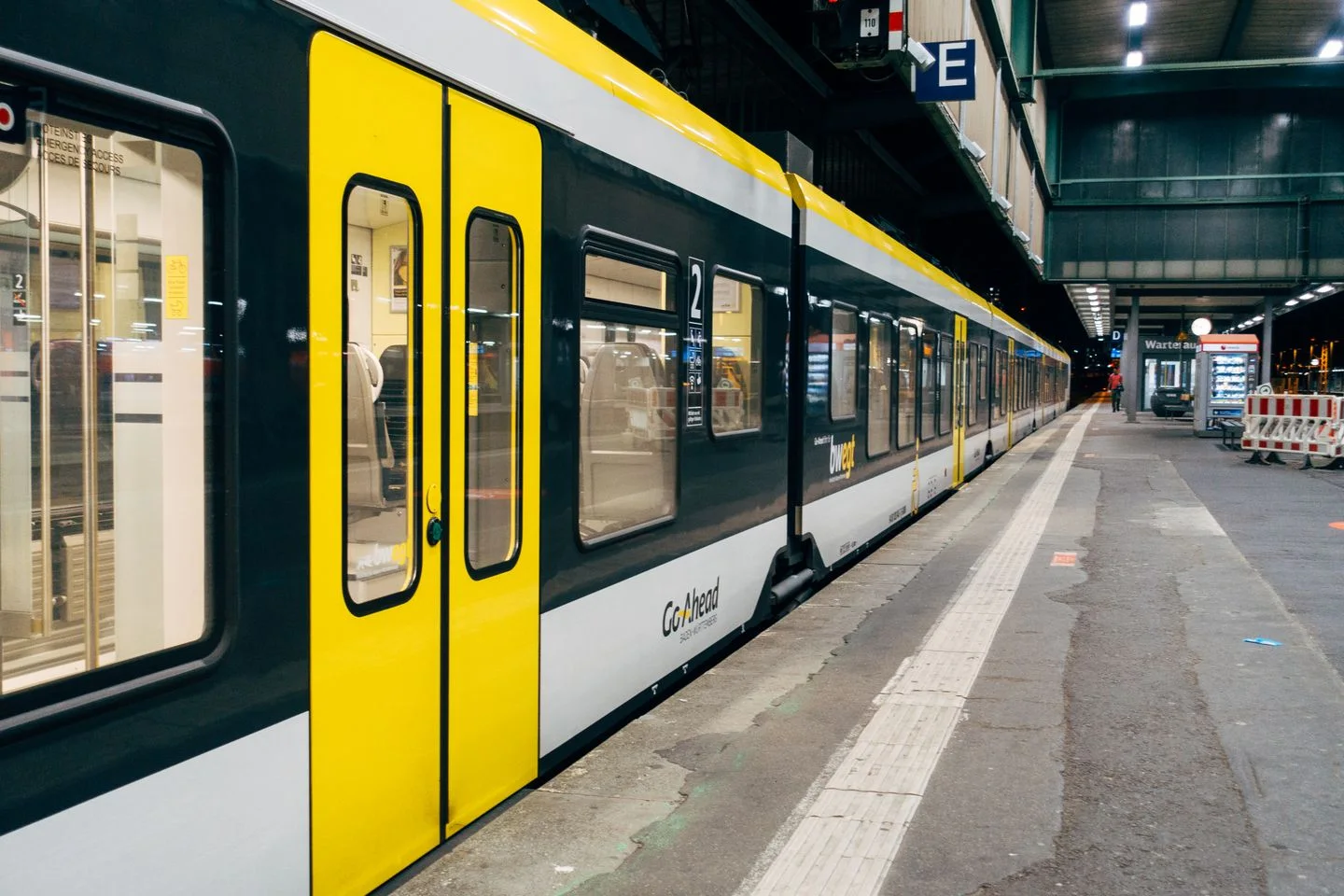
Compare door-to-door journeys
Do not compare only running time between main stations. A direct regional train to a more useful destination may fit better overall than a faster mainline leg with another change. Equally, long-distance rail may shorten an extended regional journey substantially. The answer depends on actual origin and destination addresses.
Use the same arrival requirement for both options. The comparison is unclear if one ends at a station and the other already reaches accommodation. Add the final walk or local leg and luggage handling, then see which time advantage remains.
Examine the number and nature of changes. Moving within one station differs from transferring between stations. For two people with bags, a somewhat longer direct journey may suit better than several tightly calculated level changes.
Read train and ticket together
DB describes long-distance types including ICE and Intercity separately. A train label helps identify the service but does not alone determine fare validity. Read the actual product and restrictions printed with the ticket.
Do not use a regional offer on a long-distance train without checking. A newly found alternative is not automatically permitted by a train-specific fare either. Disruptions and special cases have their own rules. Ask the operator where the train-and-ticket combination is unclear.
For two people, compare the total including the same required features. Reservation, class, or special carriage can change the comparison. A difference between headline starting fares may not describe the products actually selected.
Separate optional comfort from necessary access too. A preferred table seat changes one decision; an essential cycle space changes whether the journey is usable. Both should remain visible rather than disappear inside the word upgrade.
Consider the day after arrival
A flexible city walk may accommodate later arrival. A booked visit needs an interval capable of absorbing variation. Identify the fixed appointment and which activities can move before choosing the connection.
The return can have different priorities. A direct journey may matter more, or a suitable connection to local onward transport may decide it. Outward and return trips need not use the same train type.
Save both selected journeys and their conditions. Regional and long-distance rail are not universal rankings of better and worse. They are different tools for a journey whose real beginning and end lie beyond the train.
Sources & current information
Opening hours, connections and conditions can change. Consult official sources before travelling and follow local notices.