Identify what you want to experience in daylight
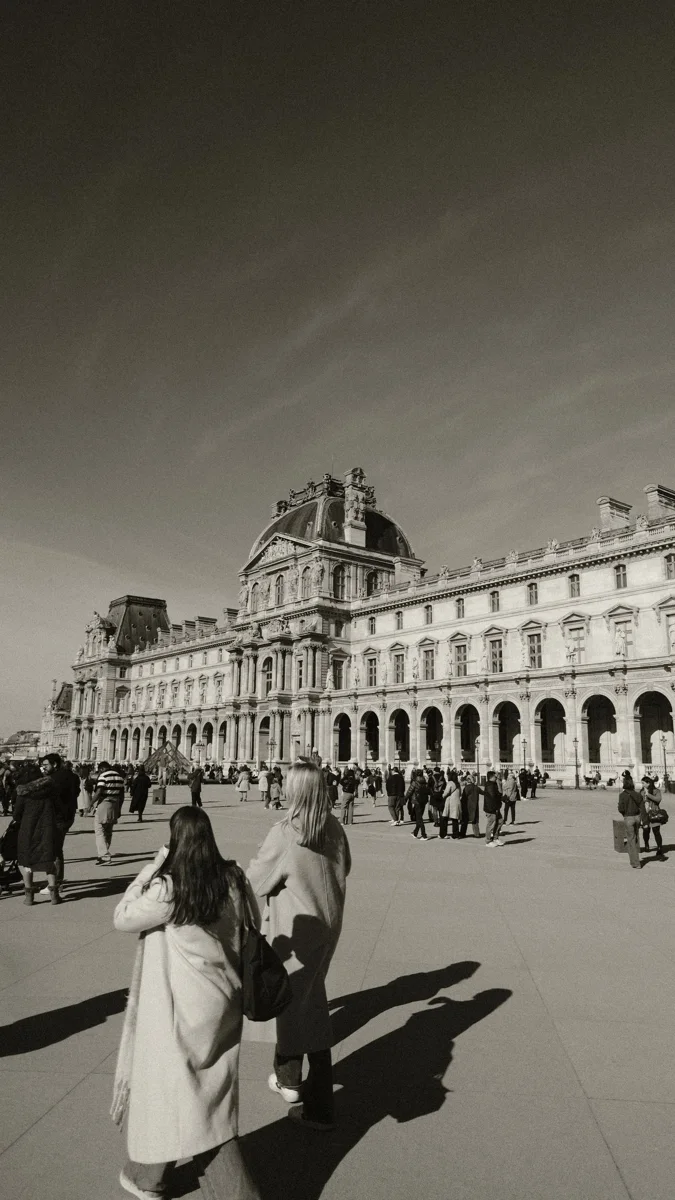
On a short trip, daylight competes with opening hours and your own energy. A museum may remain interesting later in the afternoon, while a river landscape could receive very little attention if you reach it last. Before leaving, identify the outdoor part whose surroundings you actually want to see and experience. That is a different priority from hoping to take a single sunset photograph.
Check sunrise and sunset for the place you are visiting and the date of your stay, rather than relying on memories of your previous trip. The German Weather Service's published description of its WarnWetter app lists these solar times among its extended functions. Another reliable location-based display can serve the same purpose. What matters is avoiding times for a different city or season.
The same sights can need a different sequence
Imagine a day involving an old-town walk, a museum and a stretch beside a river. When daylight is limited, the river could come first, followed by the old town and then the indoor visit, provided the museum's opening arrangements allow it. It must actually be open when you intend to arrive; checking sunset does not replace checking admission hours.
On a day with a long light evening, that order may be unnecessary. An indoor visit might suit a morning admission slot, leaving the river for a more relaxed outing later. Choose the sequence around your real priorities. An early start is not an achievement in itself if it leaves both people tired during the exhibition they wanted to see.
Include the journeys between places. An outdoor section on the edge of a city does not automatically remain reachable in daylight just because the museum visit finishes early enough. If you must first collect luggage or travel across town, consider that before deciding which sight belongs at the end of the afternoon.
Light does not answer every comfort question
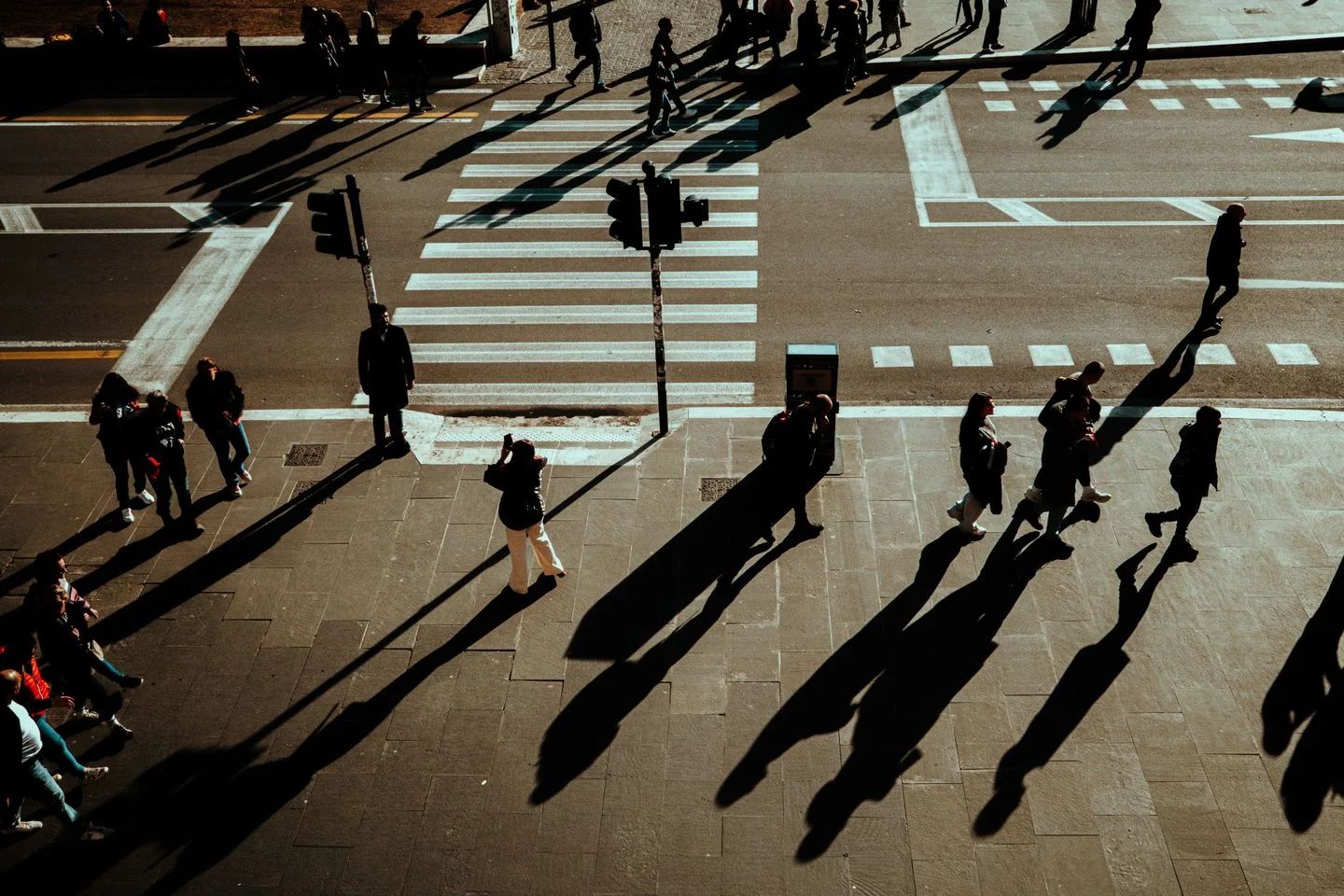
Published solar times cannot describe every setting. A narrow courtyard, an exposed promenade and a square surrounded by tall buildings can feel quite different at the same moment. Avoid treating a particular photographic light effect as a promised feature of your visit. Cloud cover and the immediate surroundings remain part of the day you actually encounter.
Discuss what each of you enjoys after dark. One traveller may like finishing on an illuminated square; the other may prefer to be sitting down for dinner by then. If the second preference matters more, put the last substantial walk before that pause. You do not need to schedule the entire day tightly: one protected outdoor priority and a movable indoor block are often enough.
Shorten the plan while you still have a choice
If you lose time, remove a less important stop before pushing the outdoor highlight into the last possible moment. Make that decision at the last convenient location with a manageable onward journey. This avoids creating a return walk after dark solely because every item on the original list was treated as compulsory. The aim is to give your main interest enough attention, not to preserve the first draft of the itinerary.
Sources & current information
Opening hours, connections and conditions can change. Consult official sources before travelling and follow local notices.