Which kind of break needs the pad?
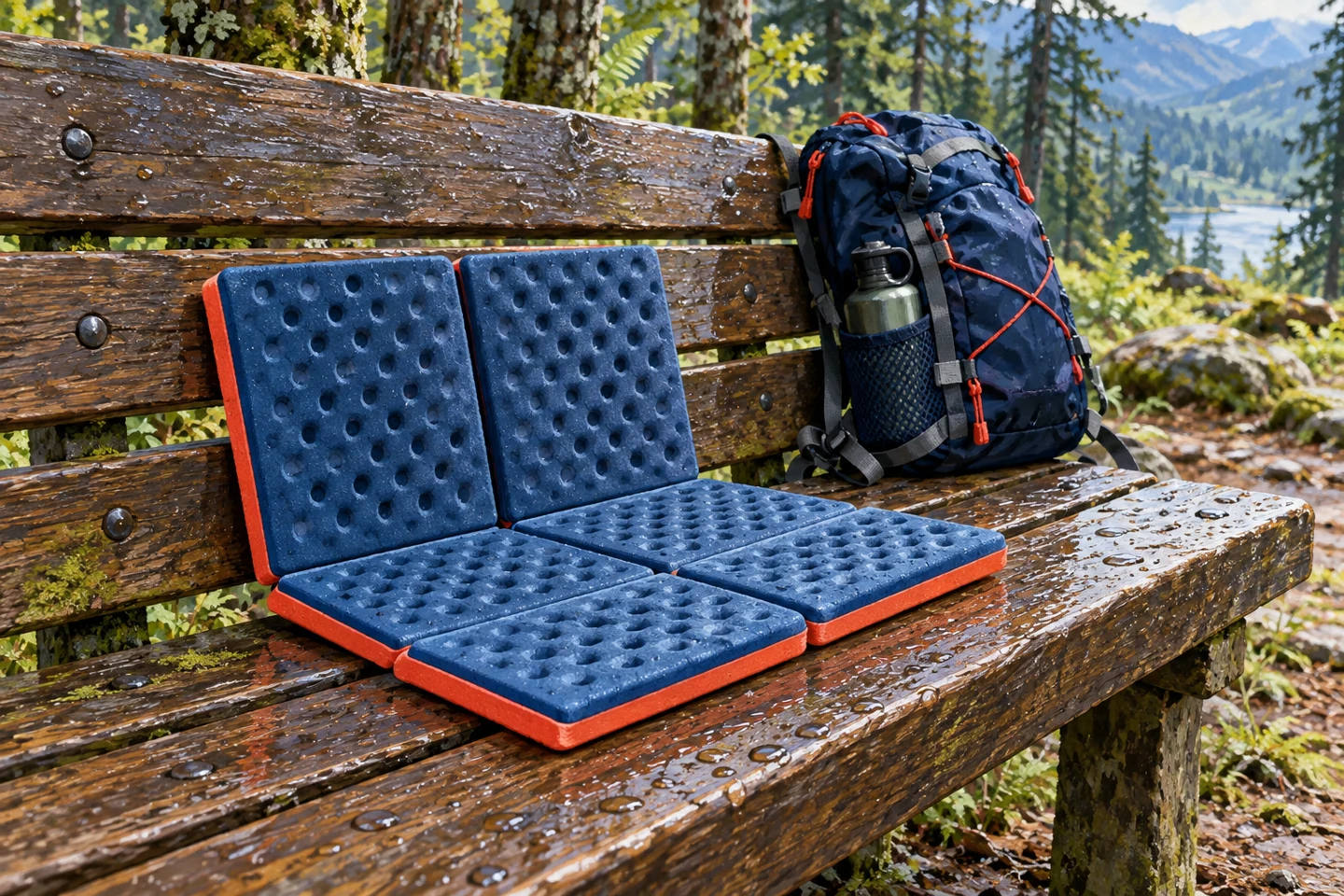
For a short stop on a suitable bench, you may not need a blanket for two. An individual pad can cover the intended seat area and travel separately in each person's bag. For a shared meal on a permitted lawn, a larger surface may be more useful. Begin with that distinction before searching for the smallest packed size.
A seat pad does not create permission to stop anywhere. Follow visitor rules and choose a suitable permitted area. Sensitive vegetation and passageways do not become rest places because you brought foam. Even an existing bench makes sense only when your use does not obstruct others.
Two people need two usable sitting areas if both want to sit simultaneously. A pad that appears generous in a photograph may be designed for one seat. Unfolded dimensions tell you more than a product image without a size reference.
Compare folded and open dimensions separately
Mark the stated open dimensions on a chair or another appropriate level surface. This reveals the actual area available. Then compare folded measurements with your bag. A broad flat bundle and a narrow taller block require different positions even when they contain similar quantities of material.
Therm-a-Rest, for example, describes its Z Seat as a closed-cell foam pad with an accordion-style fold. That is a construction example rather than a feature of every seat cushion. Other models roll, contain several sections, or use another arrangement. Check each design's intended handling.
Thickness alone cannot settle comfort. Material, structure, and the supporting surface interact. If possible, assess a candidate on a comparable intended seat. This provides an individual impression, not a universal promise of warmth or comfort in every condition.
Access affects whether you use it
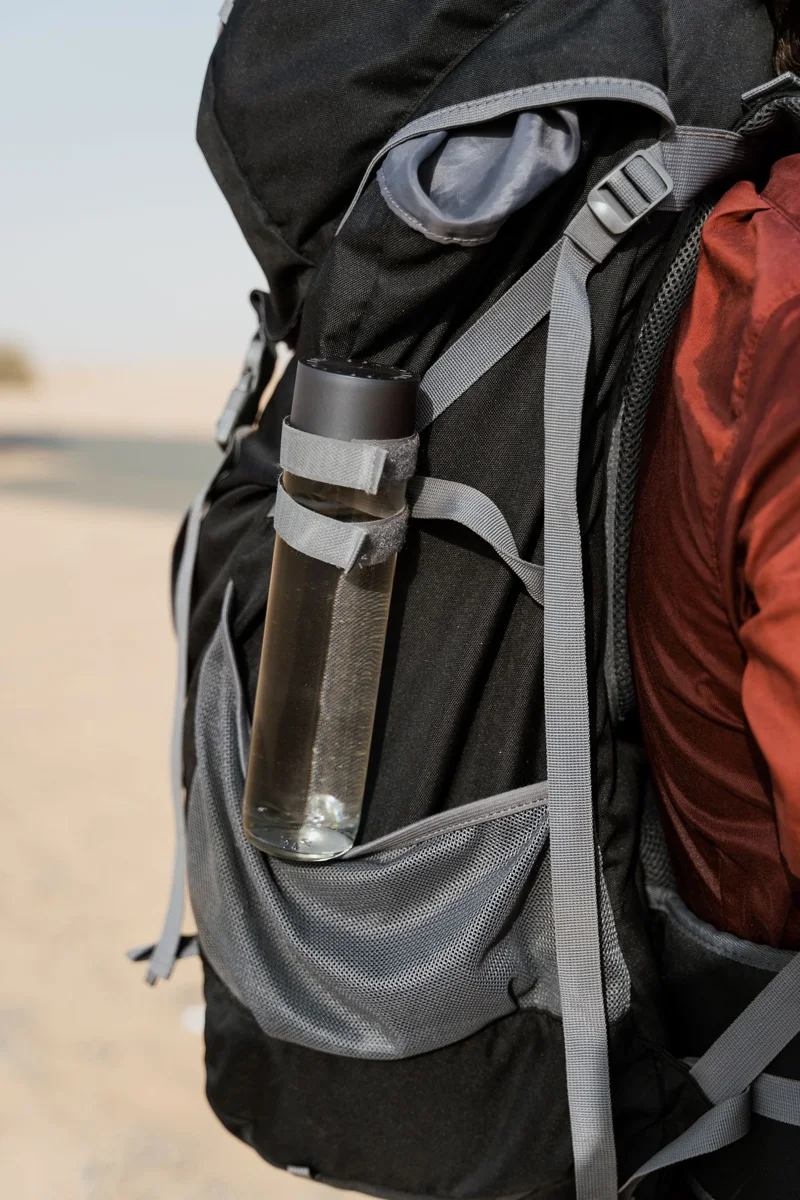
A pad for a five-minute pause should be reachable without unpacking the entire backpack. Assign a position where its folded shape does not press awkwardly into other belongings. External fastening needs to suit the intended use; a loosely dangling pad is inconvenient around doors and narrow passages.
Consider handling after sitting. Does folding keep the used underside away from the upper surface, or do they touch? Designs differ. The relevant point is to avoid accidentally placing a damp or dirty area against clean clothing when repacking.
A suitable extra transport pouch may simplify the return journey but occupies space too. It does not replace cleaning and drying afterwards. A pad mainly used on dry benches may need a simpler routine than one regularly placed on damp ground.
Choose for a limited, identifiable task
Read the care guidance and inspect the material after the outing. Tears, damaged joints, or worn surfaces can affect the intended use. Assess a specific problem using the manufacturer's information.
Choose around your most frequent pause. Two accessible small pads may usefully complement shared luggage. A larger blanket may provide the better shape for another kind of stop. Neither decision needs justification through theoretical extra functions you never use on your outings.
Sources & current information
Opening hours, connections and conditions can change. Consult official sources before travelling and follow local notices.